
 PetSafe
No-pull dog harnesses
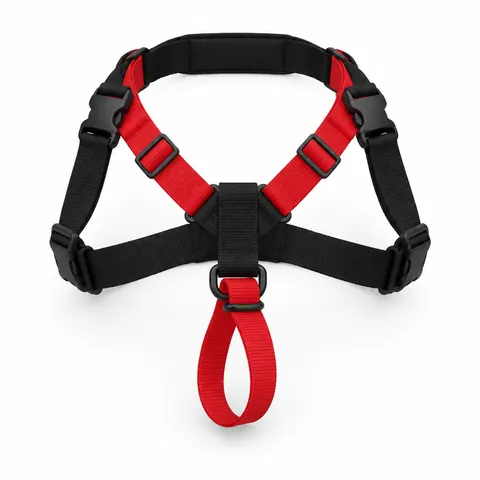
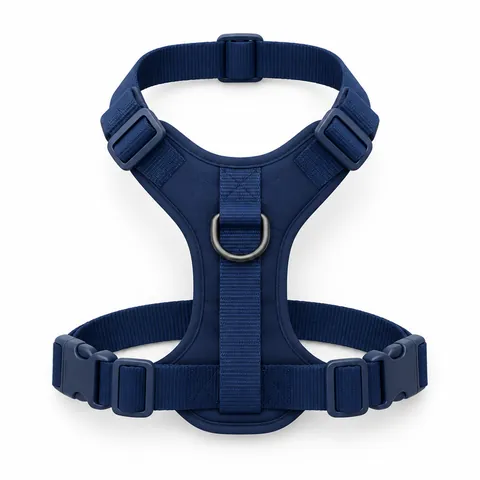
PetSafe Easy Walk Dog Harness
Pullers on a budget, beginners
Dogs pull because it works: pulling gets them where they want to go. Change that, and add a harness that makes pulling less effective, and walks get calmer within weeks.
 By the PetBea teamUpdated October 31, 2026
We may earn a commission when you buy through the store buttons on this page, at no extra cost to you. It never decides what we recommend. How that works
Skip the reading: these are the picks, with a direct store link.
PetSafePullers on a budget, beginners
 2 Hounds Design
Strong pullers and leash training
 Blue-9
Hard-to-fit dogs and positive-reinforcement trainers
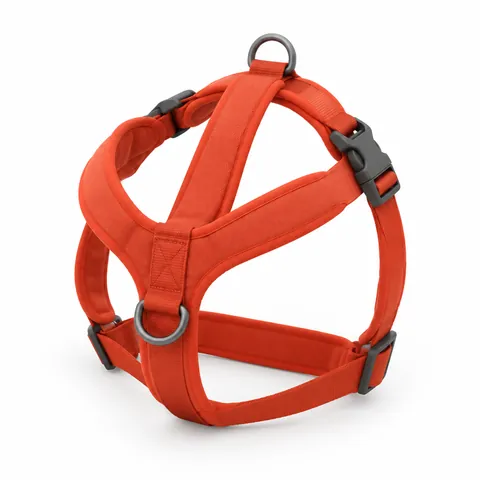 Ruffwear
Hikers and everyday walkers, small to large
 PAW5
Sniffers and fast eaters, supervised
Your dog is not trying to be difficult. Dogs walk faster than people, the world smells amazing, and every time they pull and you follow, they learn that pulling works. Loose leash walking is a skill you teach, like sit. The good news is that the method is simple, and a front clip harness makes the learning phase much easier on your arms.
This is based on the approach certified trainer Irith Bloom outlines for Chewy, and it is the same reward based method most modern trainers use.
Keep early sessions short. Five minutes of focused practice is worth more than a long walk where your dog pulls the whole time.
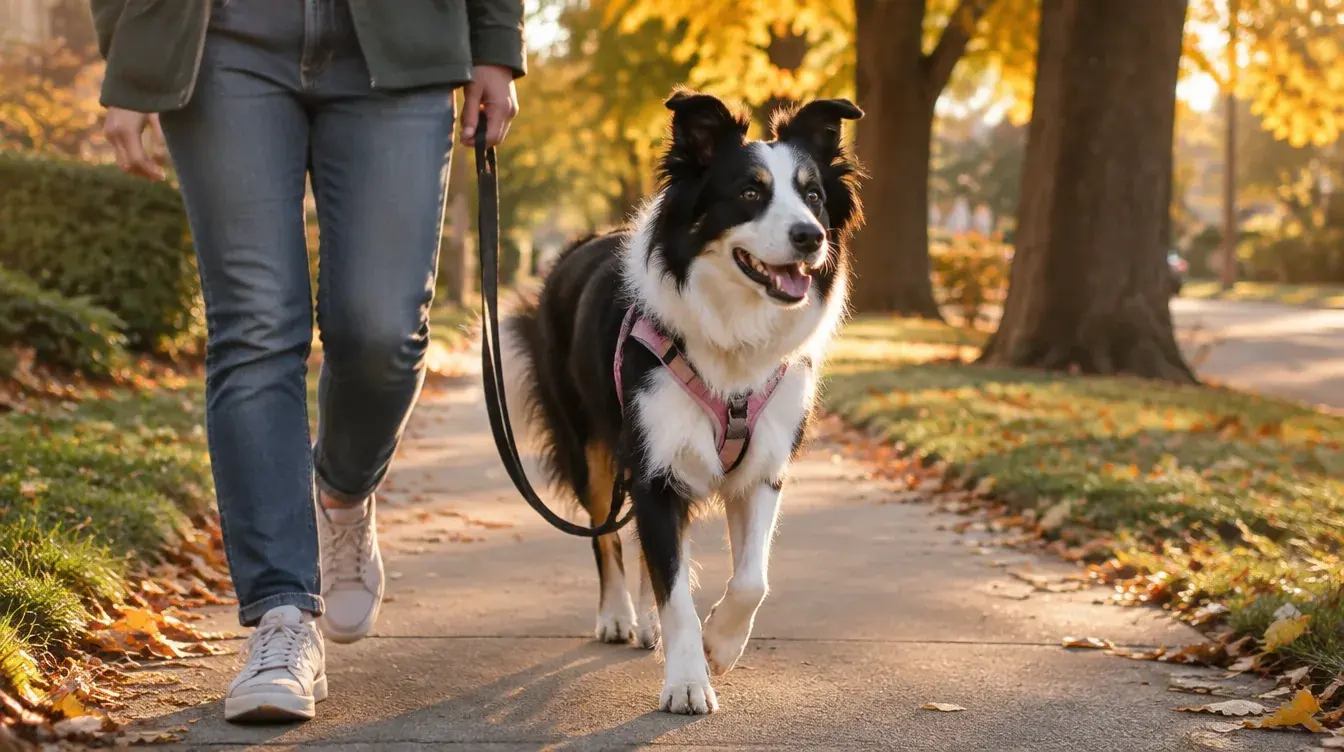
A harness with the leash ring on the chest turns your dog slightly sideways toward you when they pull. They cannot lean their whole weight into it, so pulling becomes less rewarding without any pain. It also keeps pressure off the throat, which matters for small dogs and flat faced breeds. It is a management tool, not a replacement for training, but it makes training far easier.
PetSafeOpens the store in a new tab
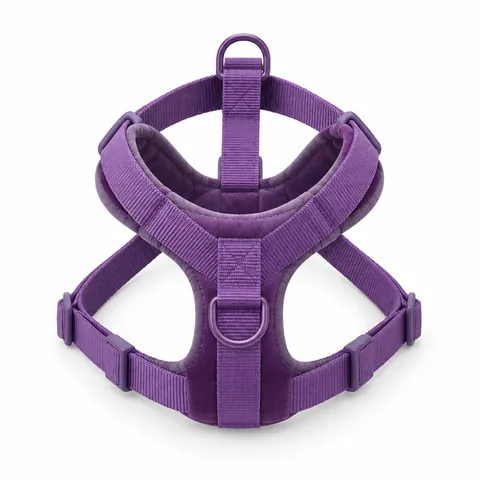
For strong pullers, a harness with both a front and a back ring lets you use a double ended leash for extra control.
2 Hounds DesignOpens the store in a new tab
If your dog has an unusual shape, like a deep chest or narrow waist, a harness with many adjustment points fits better and rubs less.
Blue-9Opens the store in a new tab
Active dogs that hike or run with you need a harness that is comfortable for hours, not just the walk to the corner.
RuffwearOpens the store in a new tab
Measure around the widest part of the chest before ordering. You should be able to slide two fingers under every strap. A harness that is too loose can twist or let a dog back out of it. Check the fit again after a few walks, as straps settle.
A dog bursting with energy pulls harder. Five minutes with a snuffle mat or a sniffing game before you leave takes the edge off, so your dog can actually concentrate on you.
PAW5Opens the store in a new tab
Choke chains and prong collars work by causing discomfort, and many trainers and vets advise against them because they can injure the neck and make some dogs more reactive. Retractable leashes teach the opposite of what you want, because the dog learns that pulling extends the leash. A standard 4 to 6 foot leash is best while training.
If your dog lunges at other dogs, people or cars, that is often fear or frustration rather than simple pulling. A certified trainer or a vet behaviorist can help. Compare all five harnesses in our guide to no-pull dog harnesses.
With short daily sessions, many dogs improve within a few weeks. Consistency matters more than time: if pulling sometimes works, the dog keeps trying.
A front clip harness reduces pulling by turning the dog toward you, which makes pulling less effective. It works best combined with reward based training.
For walks, yes. A harness spreads pressure across the chest instead of the throat. Keep a collar on for the ID tag.
A standard 4 to 6 foot leash. Retractable leashes reward pulling because the leash gets longer when the dog pulls.
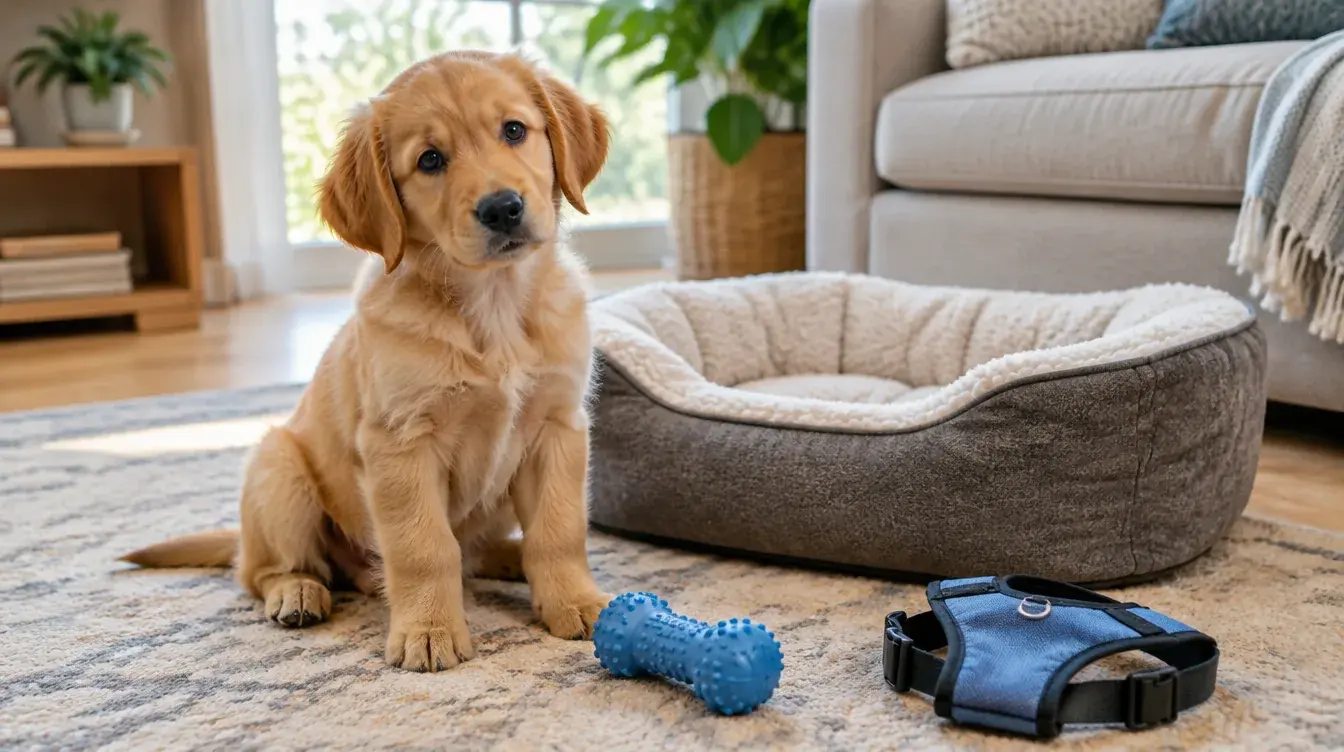
Pet stores will happily sell you forty things for a new puppy. You need about six. Here is the short list, and why each one earns its place.
6 products inside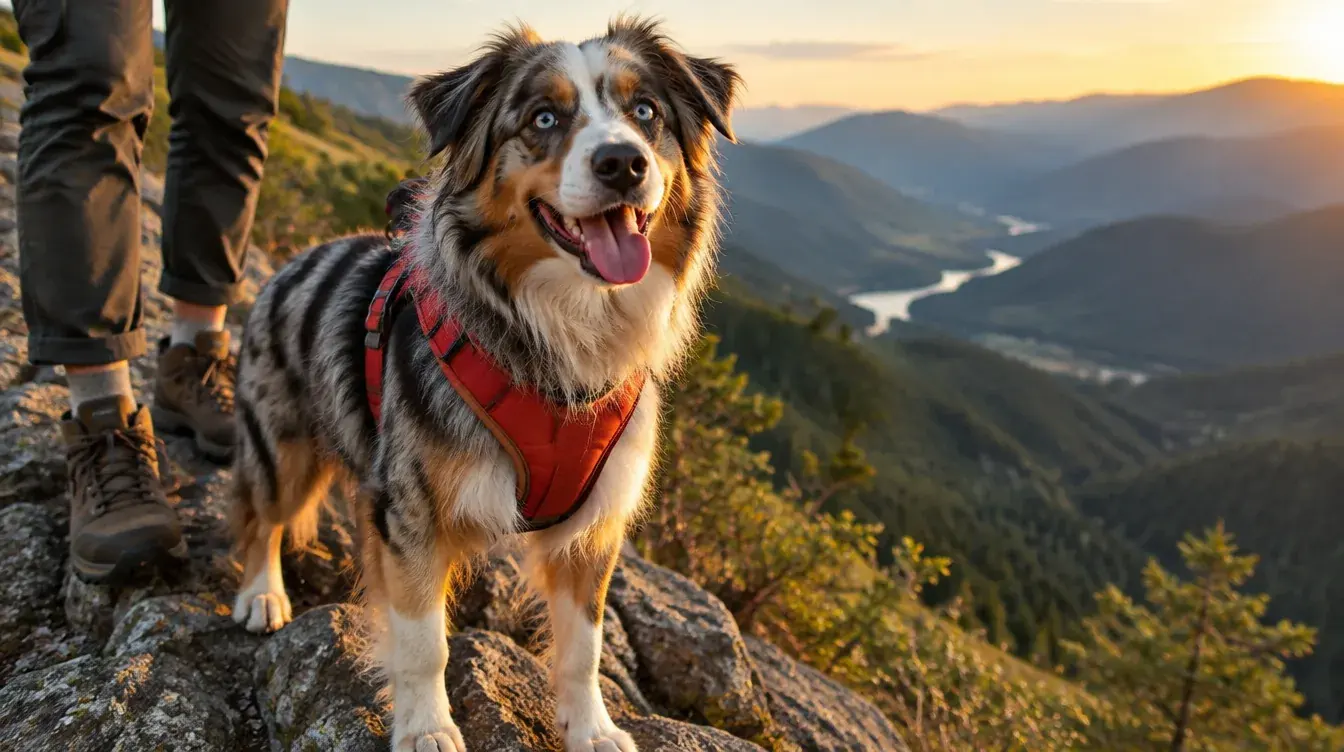
A tired, happy dog at the end of a trail is the goal. Getting there safely takes three things: enough water, a harness that does not rub, and a little planning.
4 products inside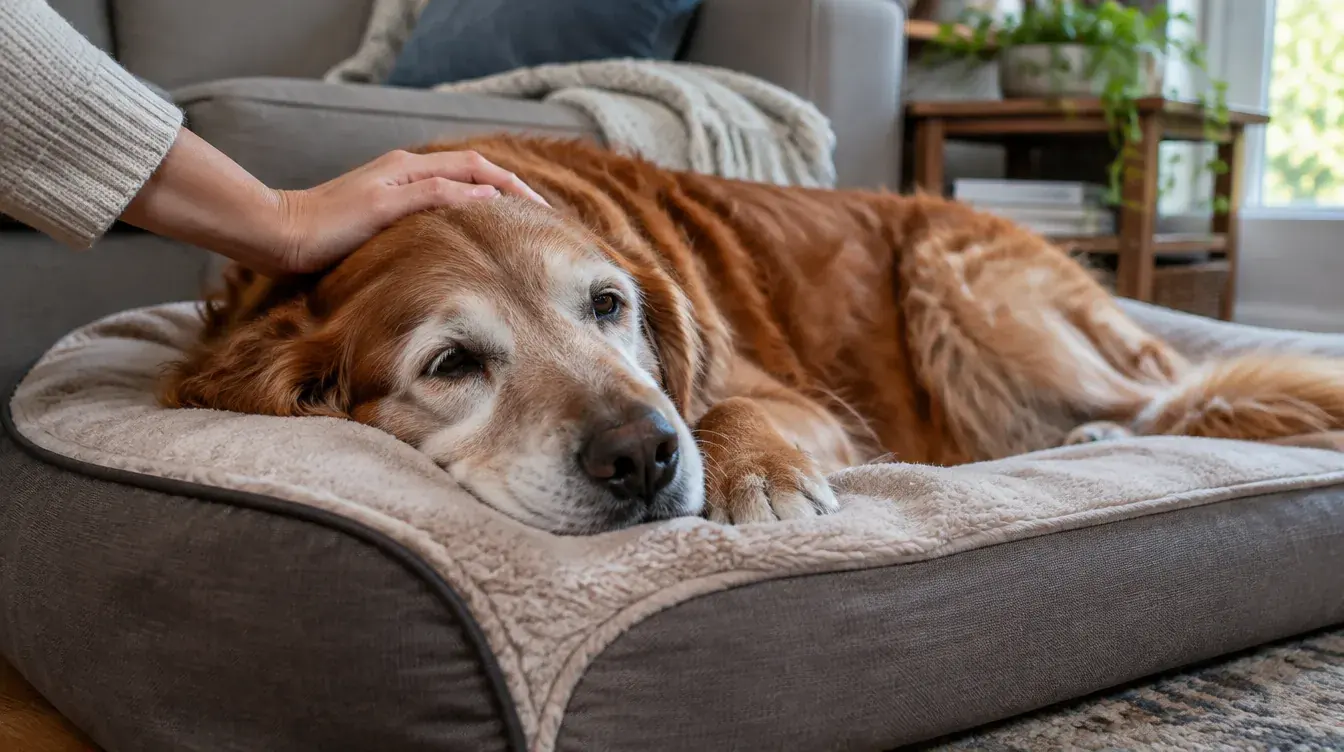
Older dogs slow down, sleep more and feel the cold floor in their joints. You cannot stop the years, but a few changes at home make every day easier for them.
5 products inside