
MidWest Homes for Pets
Read the MidWest Foldable Metal Exercise Pen review
Carriers and playpens
MidWest Foldable Metal Exercise Pen
Puppies and small to medium dogs
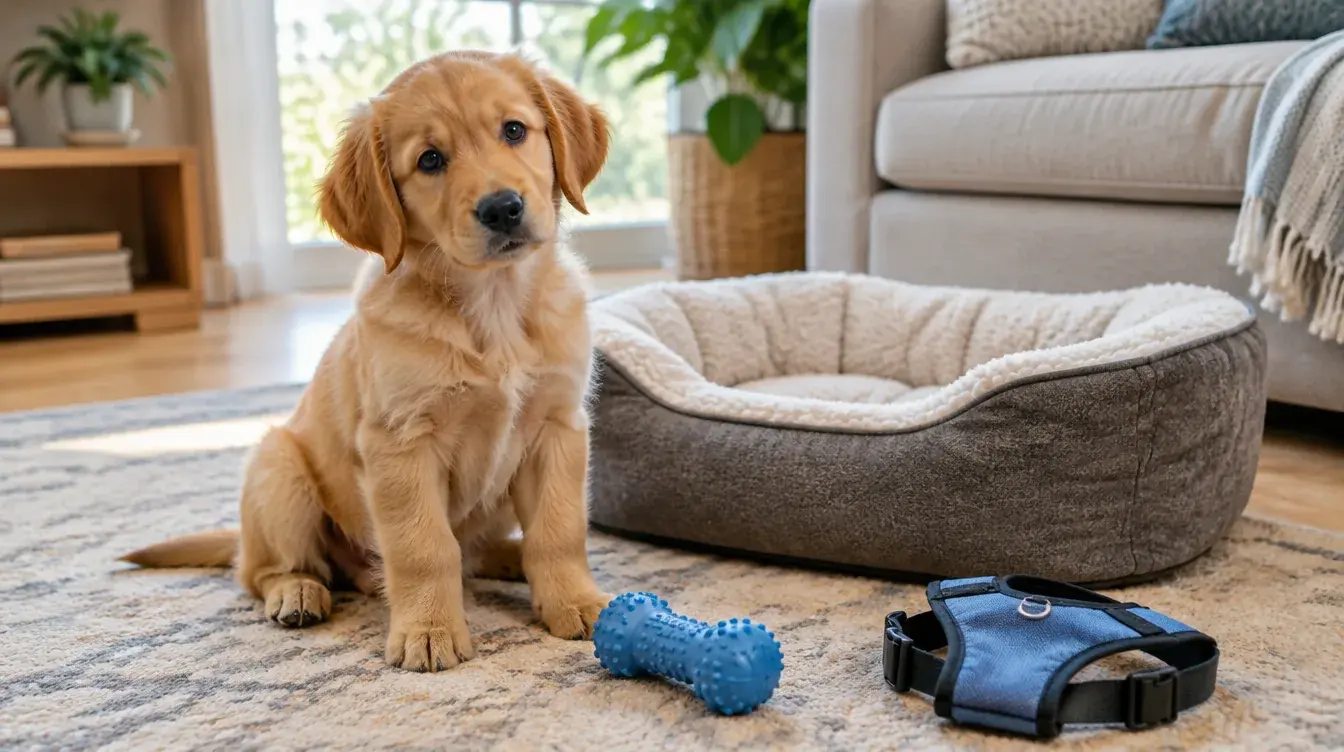
Pet stores will happily sell you forty things for a new puppy. You need about six. Here is the short list, and why each one earns its place.
 By the PetBea teamUpdated October 31, 2026
We may earn a commission when you buy through the store buttons on this page, at no extra cost to you. It never decides what we recommend. How that works
Skip the reading: these are the picks, with a direct store link.
Puppies and small to medium dogs
Most dogs, including time alone
Pullers on a budget, beginners
Sprawlers on a budget
Vet visits and cats that resist carriers
The first week with a puppy is mostly about three things: keeping them safe, giving them somewhere to sleep, and giving those tiny teeth something better to chew than your table legs. Everything on this list does one of those jobs. Food, bowls and a collar with an ID tag you probably have covered already, so we left them out.
A puppy that can wander the whole house will find cables, shoes and the one rug you care about. A playpen gives them a room of their own: big enough to play, small enough that you always know where they are. It also makes house training easier, because puppies avoid soiling the area where they sleep.
Wire pens are the classic choice because they fold flat and work indoors and in the yard. Check the height against the breed: a pen that holds a beagle puppy will not hold a young shepherd for long.
Puppies chew because their teeth hurt and because they are bored. A stuffable rubber toy solves both. Fill it with part of their breakfast, freeze it, and you have twenty quiet minutes while you shower. Trainers recommend this before any other toy, and for good reason. For more ideas, see our guide to dog toys for boredom.
A collar is for the ID tag. For walks, a harness spreads the pressure across the chest instead of the throat, which matters for small necks that pull. A front-clip harness also turns a lunging puppy back toward you, which makes leash training less of a fight. Measure the chest before ordering, and expect to size up as they grow. Our no-pull dog harnesses guide compares five options.
Accidents happen, so the bed needs a cover that comes off and goes in the machine. You do not need an expensive orthopedic bed for a puppy that will outgrow it, but real foam beats a pile of stuffing that goes flat in a month. A flat mattress also fits inside a pen or crate.
Opens the store in a new tab
Brushing a puppy for two minutes a day is less about the coat and more about teaching them that being handled is normal. That pays off at the vet, at the groomer and the first time you need to check a paw. A slicker brush works for most medium and long coats. Short-coated breeds can use a rubber brush instead.
Small puppies ride safer in a carrier than loose on a lap, and the first months include several vet visits. A hard carrier with a top door makes it easy to lift a sleepy puppy in and out. Leave it open at home with a blanket inside, so it becomes a den instead of the box that means needles.
Every product above comes from our guides, where we compare what independent testers, vets and trainers recommend. If you are unsure about anything health related, like vaccines or how much to feed, your vet is the right person to ask.
A safe space like a playpen or crate, a washable bed, a chew toy, a harness and leash, food and water bowls, and a collar with an ID tag. Book a vet visit for the first week.
Many owners use both: a collar to carry the ID tag and a harness for walks, since it keeps pressure off the throat when the puppy pulls.
Two or three is plenty to start. Rotate them every few days so they stay interesting, and choose sizes too big to swallow.
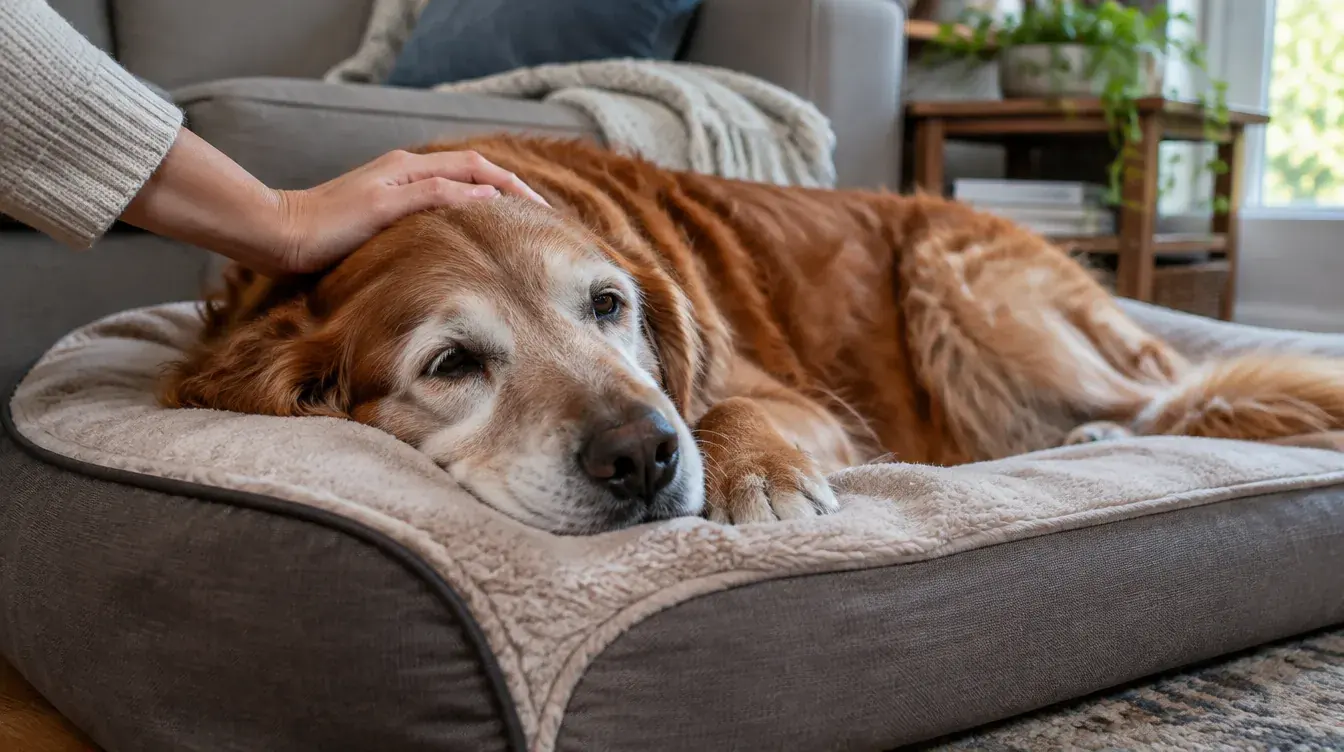
Older dogs slow down, sleep more and feel the cold floor in their joints. You cannot stop the years, but a few changes at home make every day easier for them.
5 products inside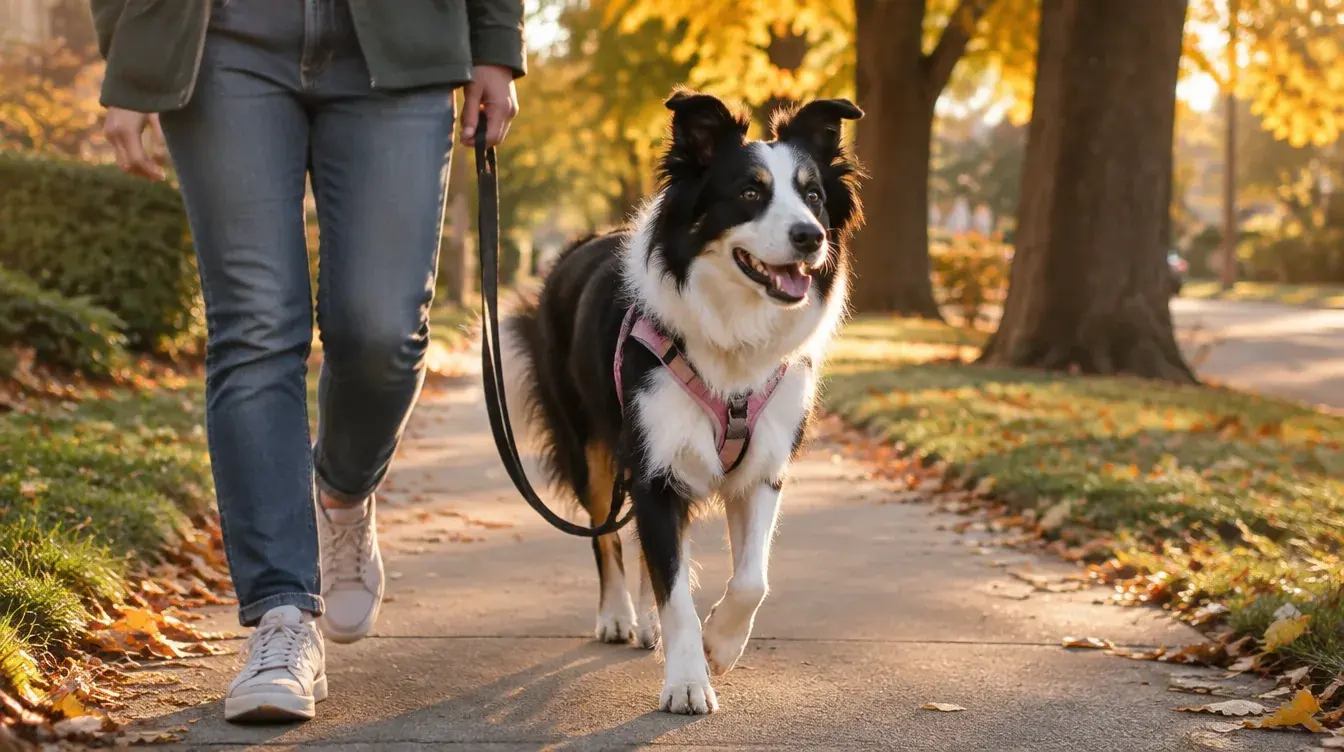
Dogs pull because it works: pulling gets them where they want to go. Change that, and add a harness that makes pulling less effective, and walks get calmer within weeks.
5 products inside
Most pet gifts are under the sofa by New Year. These twelve stay in rotation, and every one comes from our dog and cat guides.
12 products inside