
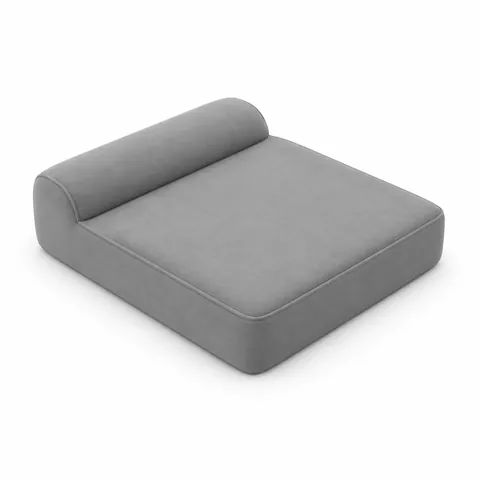
 Big Barker
Orthopedic dog beds
Big Barker 7" Headrest Orthopedic Pillow Dog Bed
Large and giant breeds over 50 lb
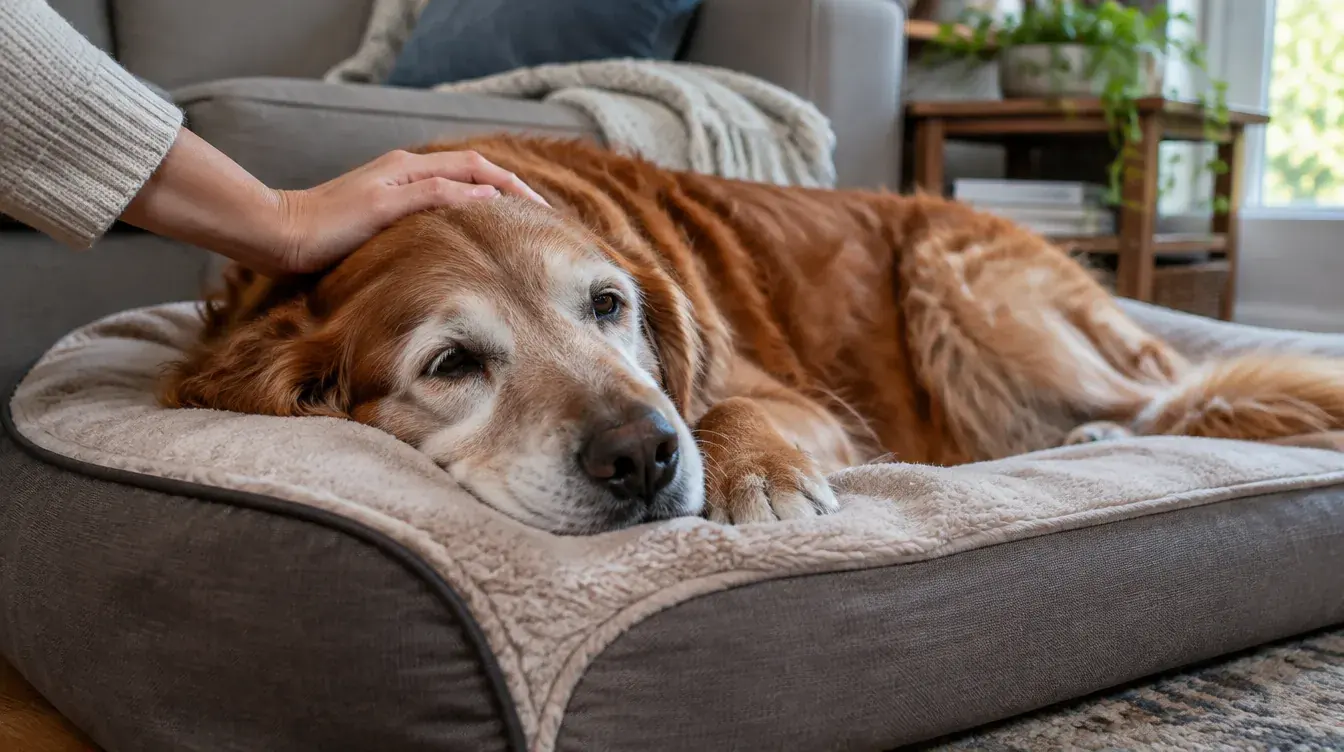
Older dogs slow down, sleep more and feel the cold floor in their joints. You cannot stop the years, but a few changes at home make every day easier for them.
 By the PetBea teamUpdated October 31, 2026
We may earn a commission when you buy through the store buttons on this page, at no extra cost to you. It never decides what we recommend. How that works
Skip the reading: these are the picks, with a direct store link.
Big BarkerLarge and giant breeds over 50 lb
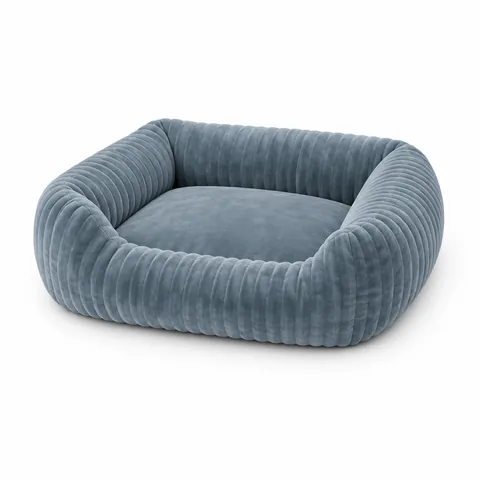 FurHaven
Dogs that run warm and like bolsters
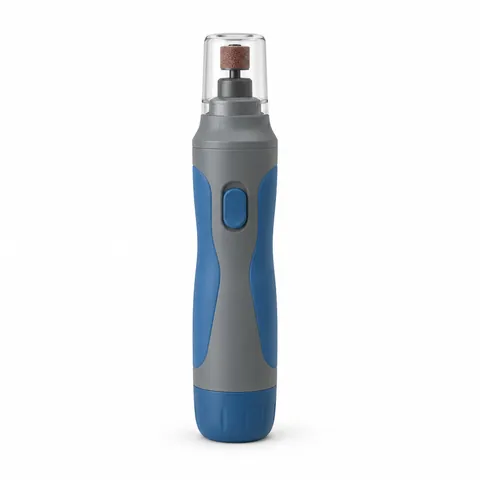 Dremel
First-time grinder users, most dog sizes
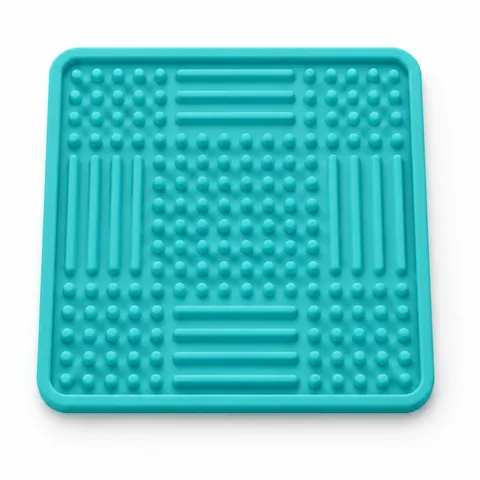 LickiMat
Calm licking during baths or grooming
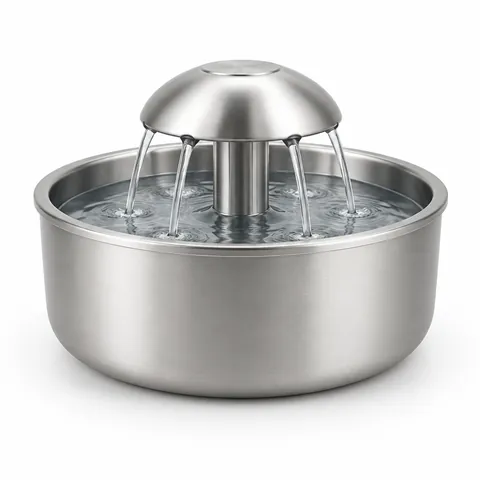 PetSafe (Drinkwell)
Multi-pet homes with cats and dogs
Most dogs are considered seniors somewhere between seven and ten years old, earlier for giant breeds. The changes are gradual: a slower start in the morning, a hesitation before the stairs, more time asleep. None of the products below replace a vet check, and if your dog is limping, losing weight or seems in pain, that visit comes first. But comfort at home makes a real difference to how an older dog feels day to day.
An older dog spends most of the day lying down, so the bed matters more than at any other age. Soft stuffing flattens, and then the hips and elbows end up on the floor. Thick, firm foam keeps its shape and makes it easier to stand up again. For large breeds, the Big Barker is the bed experts recommend most.
Big BarkerOpens the store in a new tab
For medium dogs, or on a smaller budget, a gel foam bed with bolsters gives support and a place to rest the head. More options in our orthopedic dog beds guide.
FurHavenOpens the store in a new tab
Older dogs walk less, so nails wear down less. Long nails change how a dog stands and make slippery floors even harder. A grinder shortens nails gradually, which is easier on dogs who are sensitive about their paws. Go slow, a few nails a day if needed. Our dog grooming tools guide has clippers too.
DremelOpens the store in a new tab
A senior dog's body slows before its brain does. Long runs may be over, but sniffing and licking still give real mental exercise without strain on the joints. A lick mat spread with something soft is a gentle way to fill a quiet afternoon.
LickiMatOpens the store in a new tab
Some older dogs drink less, and some drink more, which can be a sign of a health issue worth mentioning to your vet. A fountain keeps water fresh and cool, and a wide stainless bowl is easy to reach without bending far.
PetSafe (Drinkwell)Opens the store in a new tab
Small changes add up. Watch how your dog moves for a week after each one, and keep your vet in the loop about anything that changes quickly.
Most dogs between about 7 and 10 years old, with large and giant breeds reaching that stage earlier than small breeds. Your vet can tell you what to watch for in your dog.
A firm foam bed supports joints better than stuffing that flattens, which many older dogs find more comfortable. It is a comfort aid, not a treatment, so see your vet for joint pain.
Often every few weeks, since older dogs wear their nails down less. If you hear clicking on hard floors, they are probably due.
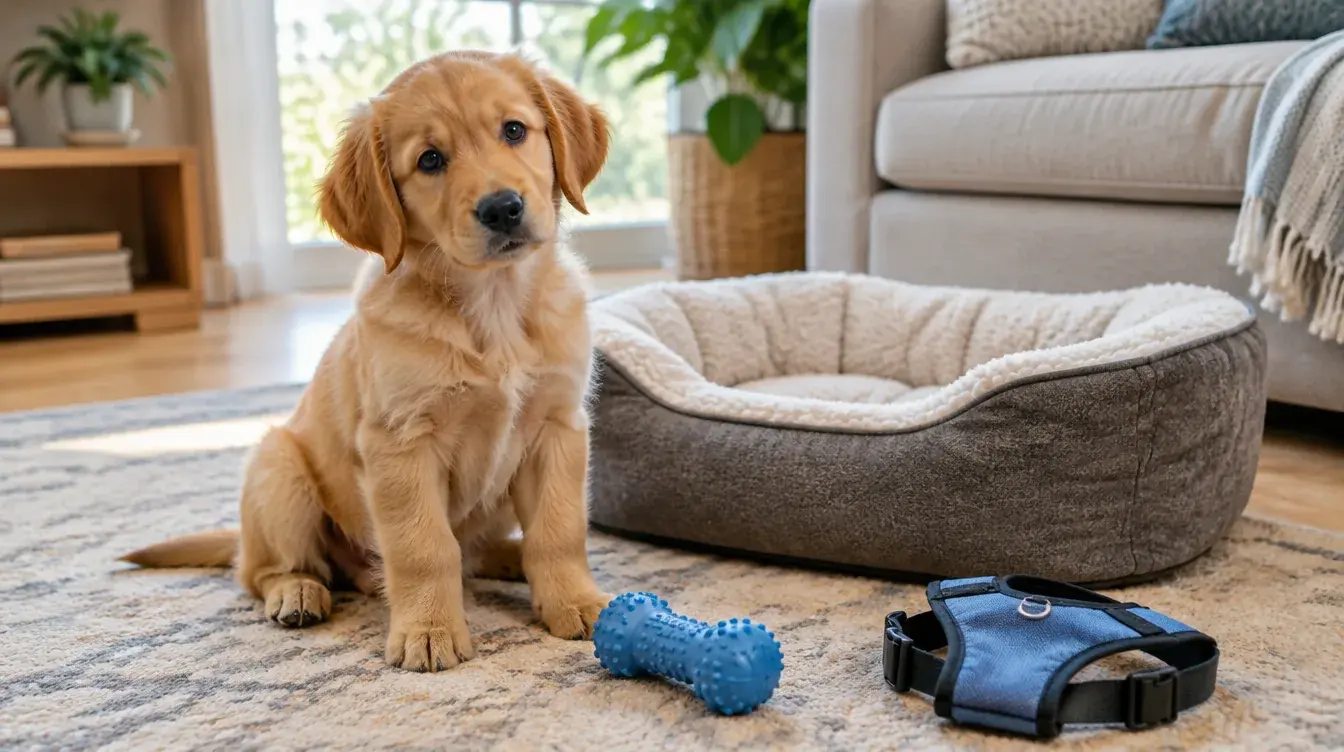
Pet stores will happily sell you forty things for a new puppy. You need about six. Here is the short list, and why each one earns its place.
6 products inside
Most pet gifts are under the sofa by New Year. These twelve stay in rotation, and every one comes from our dog and cat guides.
12 products inside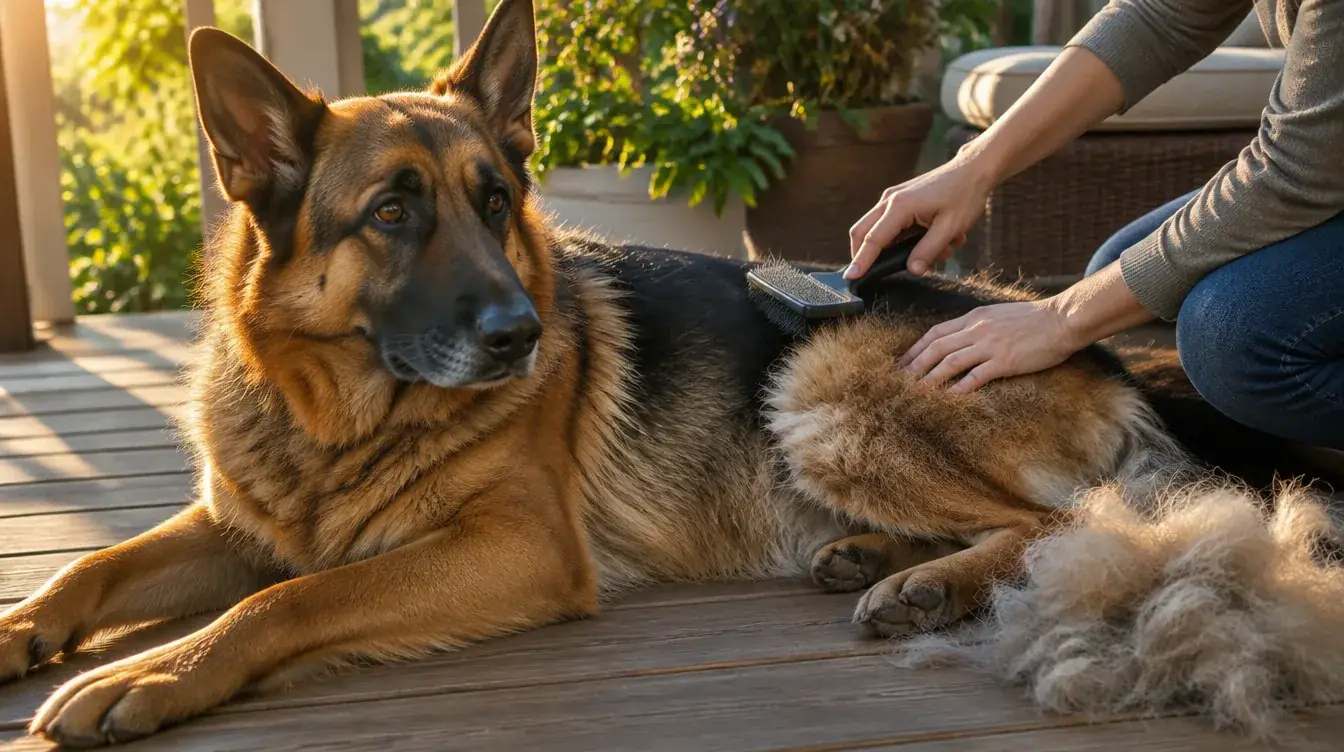
All dogs shed, some much more than others. A few minutes of brushing several times a week moves most of that hair from your floor to the bin.
3 products inside