
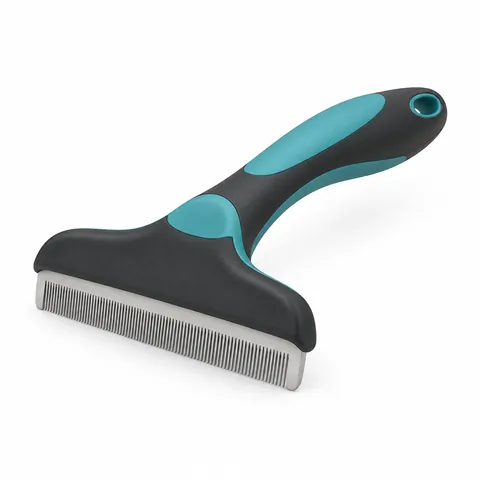
 FURminator
Dog grooming tools
FURminator deShedding Tool for Dogs
Heavy shedders with thick undercoats
All dogs shed, some much more than others. A few minutes of brushing several times a week moves most of that hair from your floor to the bin.
 By the PetBea teamUpdated October 31, 2026
We may earn a commission when you buy through the store buttons on this page, at no extra cost to you. It never decides what we recommend. How that works
Skip the reading: these are the picks, with a direct store link.
FURminatorHeavy shedders with thick undercoats
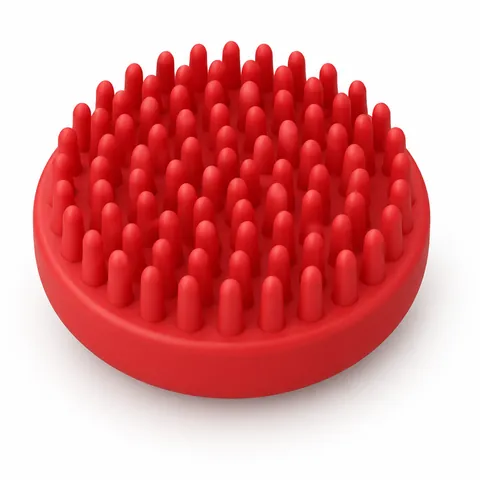 KONG
Short-haired dogs and bath time
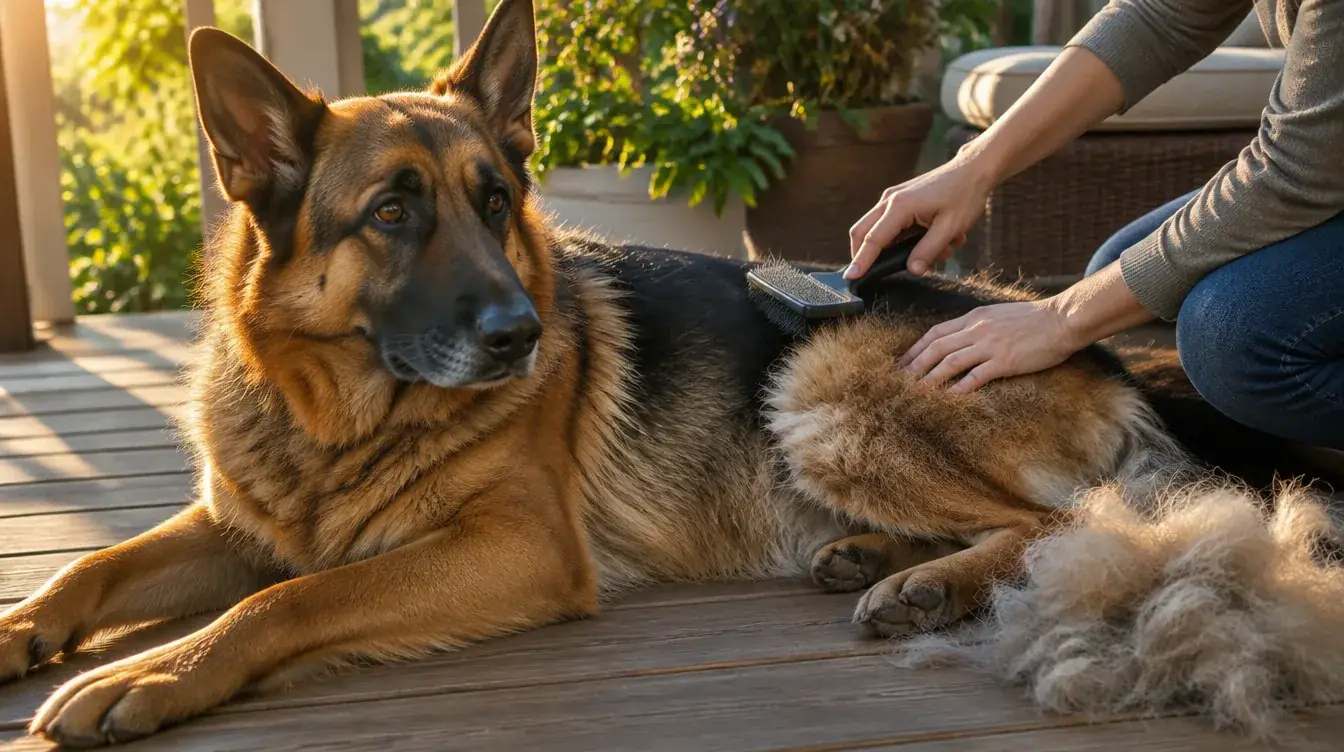
Shedding is how a dog replaces old and damaged hair. Double coated breeds like huskies, shepherds and retrievers also "blow" their undercoat once or twice a year, usually in spring and autumn, and that is when the tumbleweeds appear. You cannot switch it off. What you can do is remove the loose hair on purpose, outside or over a towel, before it ends up on everything you own.
Texas A&M's veterinary college recommends brushing three to four times a week for five to ten minutes. That is the whole secret. Short, regular sessions beat one long battle a month, and most dogs learn to enjoy it.
Using the wrong brush is why many owners think brushing does not work. Match the tool to the coat.
Huskies, shepherds, retrievers, corgis and similar breeds carry a dense undercoat. A deshedding tool has a fine steel edge that reaches through the top coat and pulls out loose undercoat. Use light pressure and short sessions, because pressing hard can scratch the skin.
FURminatorA slicker brush has fine wire pins that remove loose hair and stop small tangles from becoming mats. It is the everyday brush for doodles, spaniels, collies and most mixed breeds. A self cleaning model saves you pulling hair out of the pins.
Labs, beagles, pugs, boxers and other short coats shed a surprising amount. A rubber brush grabs loose hair and doubles as a massage. Many dogs who hate brushes love this one, and it works in the bath too.
KONGMost groomers and vets advise against it. The undercoat insulates against both cold and heat, and a shaved double coat can grow back patchy and uneven. Brushing out the undercoat gives you less hair without those risks.
A complete, balanced diet supports skin and coat. Some vets recommend omega fatty acid supplements for dry skin and a dull coat. Ask your vet before adding anything, especially if your dog has other health conditions.
Normal shedding leaves a full coat behind. See your vet if you notice bald patches, red or flaky skin, constant scratching or licking, a strong smell, or a sudden change in how much your dog sheds. Fleas, allergies, infections and hormone problems can all show up as hair loss.
A washable cover on the dog bed and a smooth throw on the sofa catch hair before it works into fabric. Brush outdoors when you can. For more tools, including nail grinders and clippers, see our guide to dog grooming tools.
Three to four times a week for 5 to 10 minutes, and daily during heavy shedding season. Short regular sessions work better than an occasional long one.
It depends on the coat. A deshedding tool for thick double coats, a slicker brush for medium, long and curly coats, and a rubber curry brush for short smooth coats.
A bath loosens dead undercoat so you can brush it out afterwards. About once a week in shedding season and two or three times a month otherwise suits most dogs.
See your vet if you notice bald patches, red or flaky skin, constant itching, a bad smell or a sudden change in how much your dog sheds.
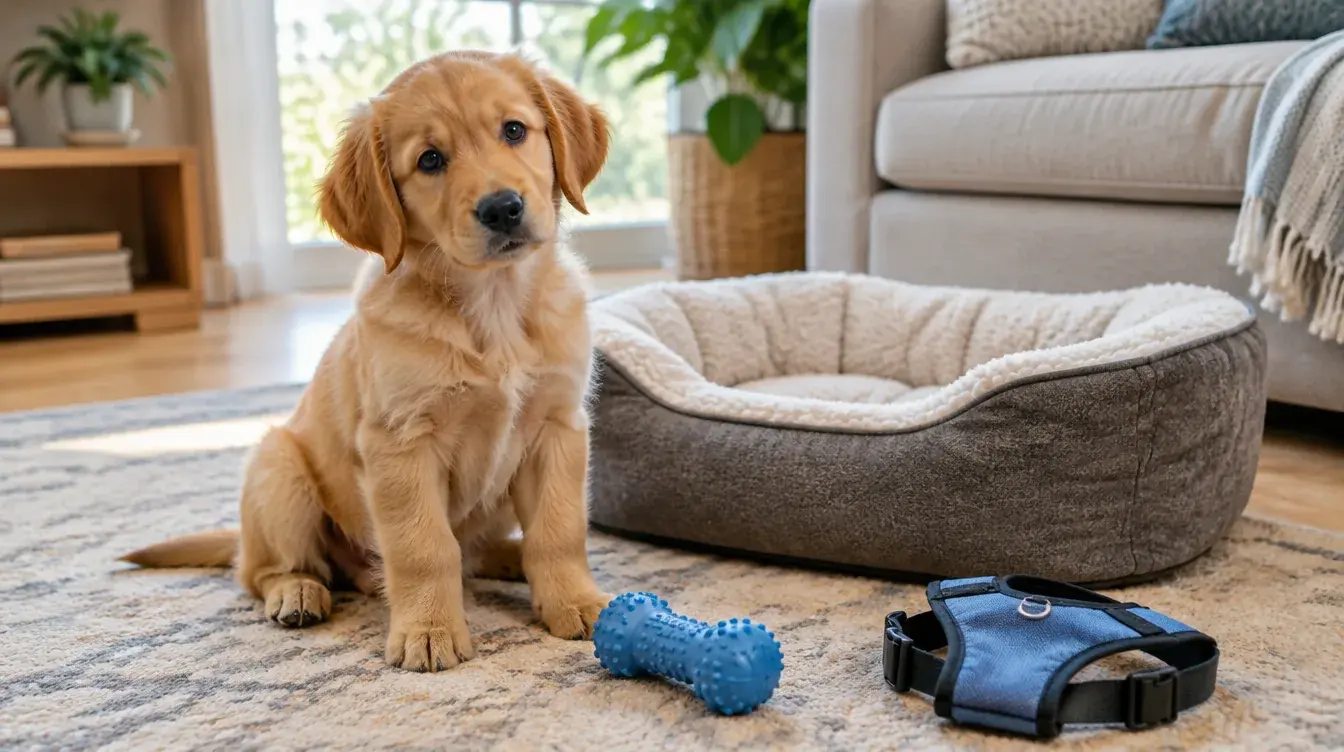
Pet stores will happily sell you forty things for a new puppy. You need about six. Here is the short list, and why each one earns its place.
6 products inside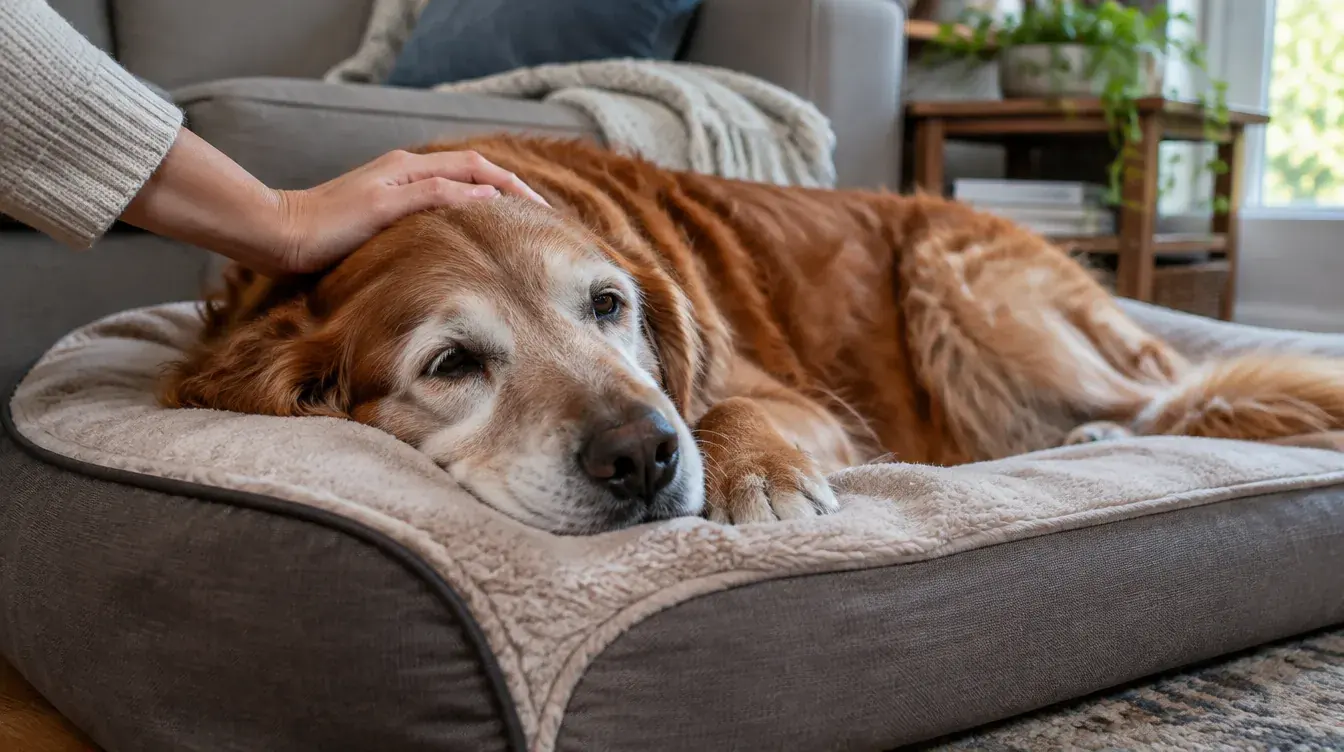
Older dogs slow down, sleep more and feel the cold floor in their joints. You cannot stop the years, but a few changes at home make every day easier for them.
5 products inside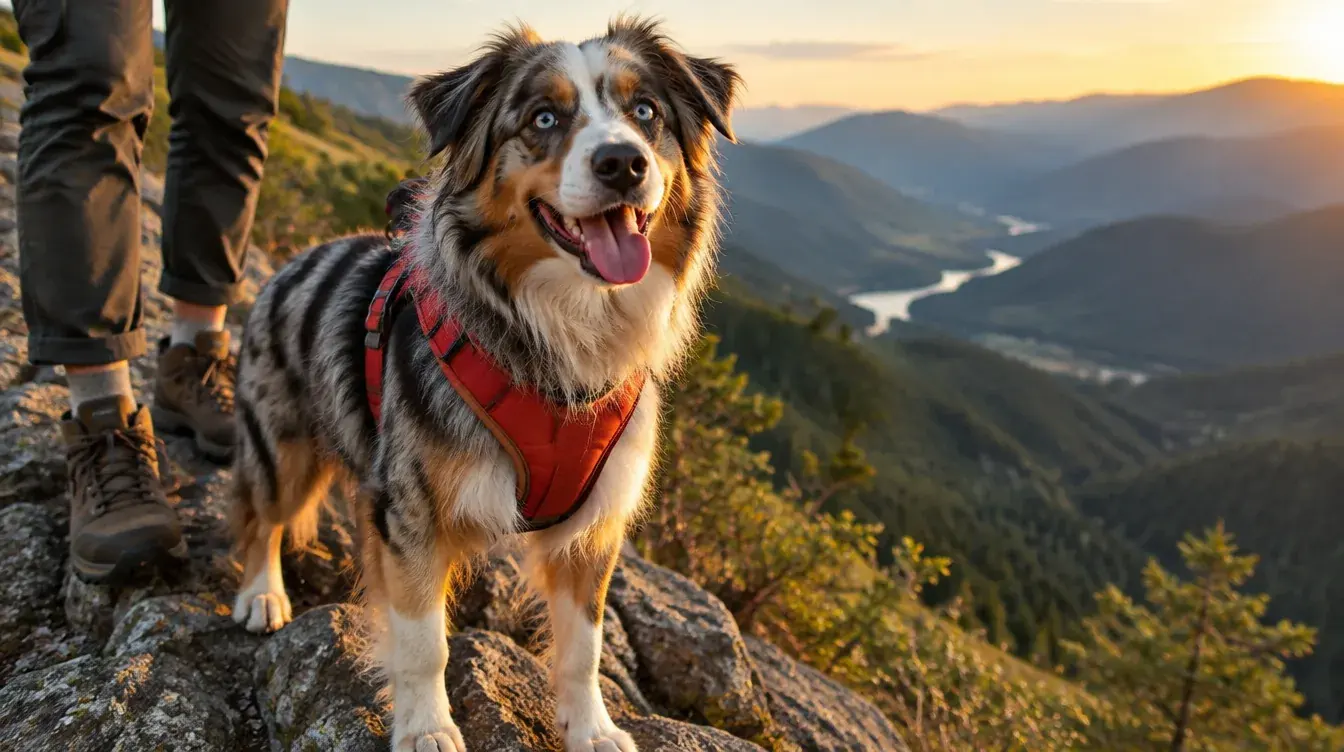
A tired, happy dog at the end of a trail is the goal. Getting there safely takes three things: enough water, a harness that does not rub, and a little planning.
4 products inside