
 Muddy Mat
Muddy paws and pet hair
Muddy Mat Absorbent Door Mat
Front and back doors in rainy or snowy months
Wet paws are not just a floor problem. Mud hides small cuts, and winter road salt ends up in your dog's mouth when they lick. Here is a quick routine that handles all three.
 By the PetBea teamUpdated November 2, 2026
We may earn a commission when you buy through the store buttons on this page, at no extra cost to you. It never decides what we recommend. How that works
Skip the reading: these are the picks, with a direct store link.
Muddy MatFront and back doors in rainy or snowy months
 Dexas
Dogs that come back from walks covered in mud
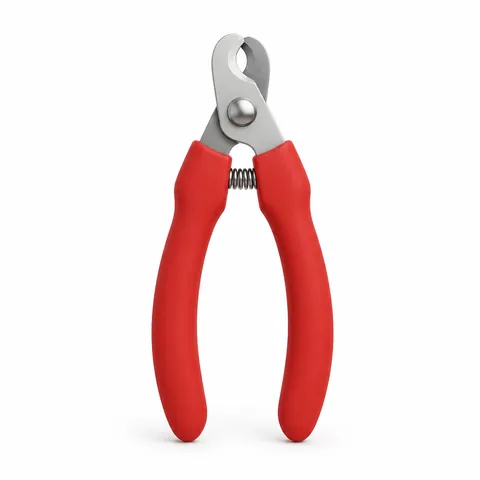 Millers Forge
Small to large dogs, quick trims
Most dogs come home with more on their feet than you can see. Mud packs between the toes, grit gets stuck in the fur around the pads, and in winter the sidewalk adds de-icing salt. Wiping paws takes about two minutes, and doing it right at the door keeps your floors clean and your dog more comfortable.
Clean floors are the obvious reason, but not the main one. Caked dirt can hide small cuts and cracks on the pads, and a wound that stays dirty is more likely to get infected. In cold months the bigger issue is road salt and ice melt. Dogs lick their feet once they are inside, and swallowing those chemicals can irritate the mouth and upset the stomach. Wiping the paws removes them before that happens.
The routine only works if everything is within reach before your dog runs into the house. You need four things:
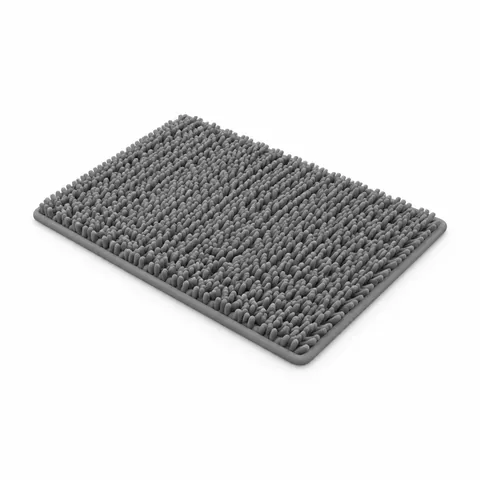
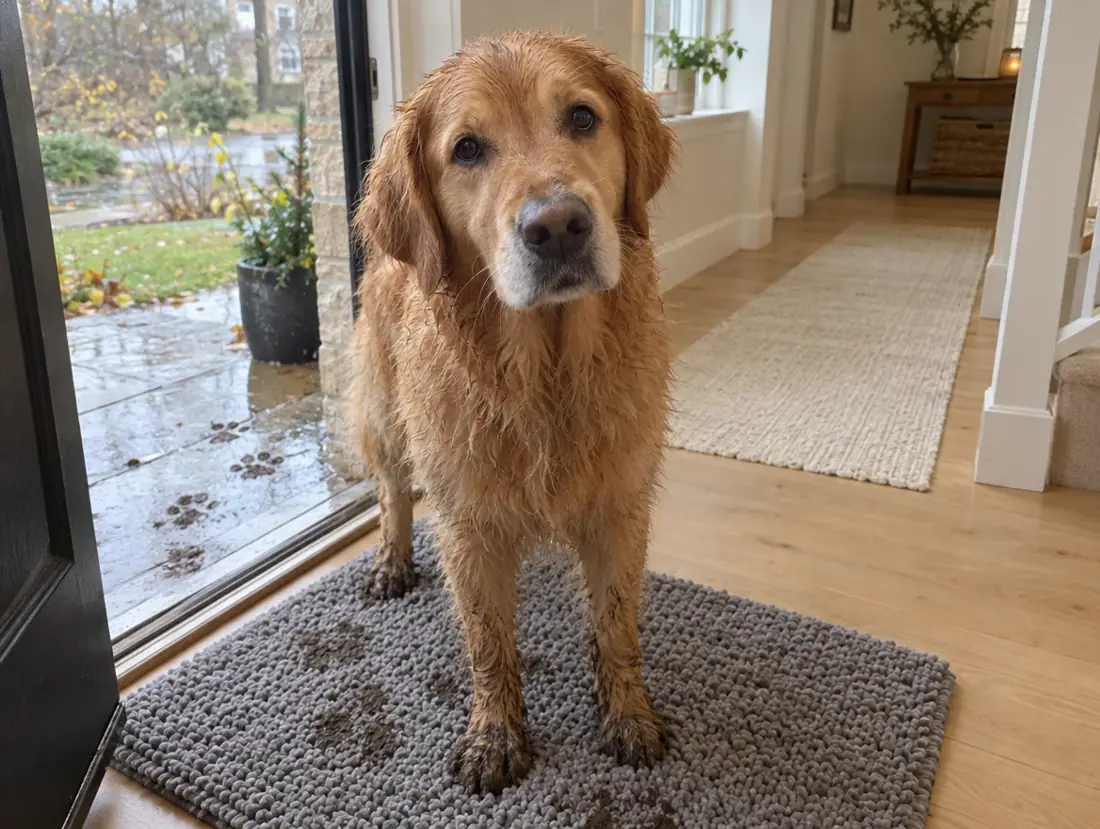
A chenille mat does the first job without any effort from you. The long microfiber strands soak up water and catch loose dirt while your dog walks across it. It will not remove mud that is caked on, but it stops the trail of wet prints from the door to the sofa.
Muddy MatOpens the store in a new tab
Keep the leash on until you are done, so your dog cannot run off with four wet feet.
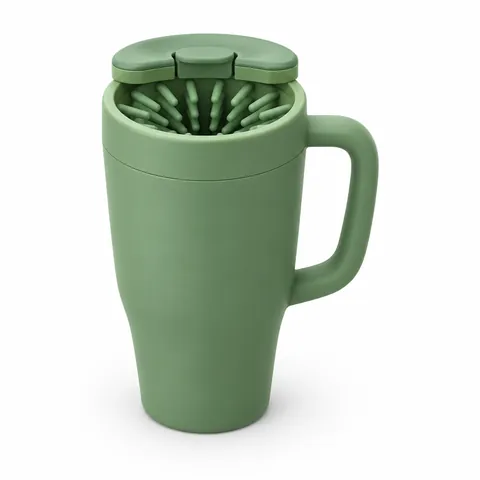
For dogs that come back covered in mud, a paw washer cup is the fastest fix. You fill it with water, push one paw in at a time and twist. The soft silicone bristles inside loosen the dirt between the toes, and the lid keeps it from spilling in the car.
DexasOpens the store in a new tab
Winter adds two problems. The first is ice melt on sidewalks and roads. Wipe or rinse the paws after every winter walk, even when they look clean, and keep your dog from licking them until you have. If you treat your own steps, choose a pet-safe ice melt.
The second is snow that sticks to the fur between the toes and turns into hard little ice balls. They pull at the skin and make walking painful. Trimming that fur shorter helps, but do not shave it to the skin: a little fur protects the pads from the cold and from salt. If your dog walks on salted streets every day, well-fitted boots are the most reliable protection, and a paw wax is a lighter option for short walks.
Long fur around the feet collects mud like a mop. Keeping it neat makes cleaning much quicker. Trim around the edges of the foot with blunt-tip scissors if your dog stays calm, and leave the hair between the pads to a groomer if you are not confident. Short nails help too: they do not trap dirt and they give your dog better grip on wet floors. Our dog grooming tools guide covers brushes, clippers and grinders.
Millers ForgeOpens the store in a new tab
A small scrape usually heals on its own if you keep it clean and dry. Call your vet if a cut is deep or keeps bleeding, if a pad is cracked open, if the paw looks swollen or hot, or if your dog limps or keeps licking the same foot. Constant licking after walks can also point to an allergy or irritation that is worth checking.
Put an absorbent mat inside the door, keep a towel and lukewarm water next to it, clean between the toes, dry well and check the pads. In winter, never skip the wipe after salted sidewalks. For our full picks, including a pet hair roller for the couch, see the muddy paws and pet hair guide.
A quick wipe after every walk is a good habit, and a full rinse when the paws are muddy or after walking on salted sidewalks. Dry them well afterwards, especially between the toes.
It is better not to. Many wipes made for people contain alcohol or fragrance that can irritate the skin, and dogs lick their feet. Use wipes labeled safe for pets, or a cloth with lukewarm water.
It can irritate the pads, and dogs that lick it off can get an upset stomach or mouth irritation. Wipe or rinse the paws after winter walks and keep your dog from licking them until you do.
For mud between the toes, yes. Soft bristles inside the cup loosen dirt while you twist the paw in water. You still need to dry the paw afterwards.
Keeping it shorter reduces mud and ice balls, but do not shave it to the skin, because a little fur protects the pads. If you are not confident trimming between the pads, ask a groomer.
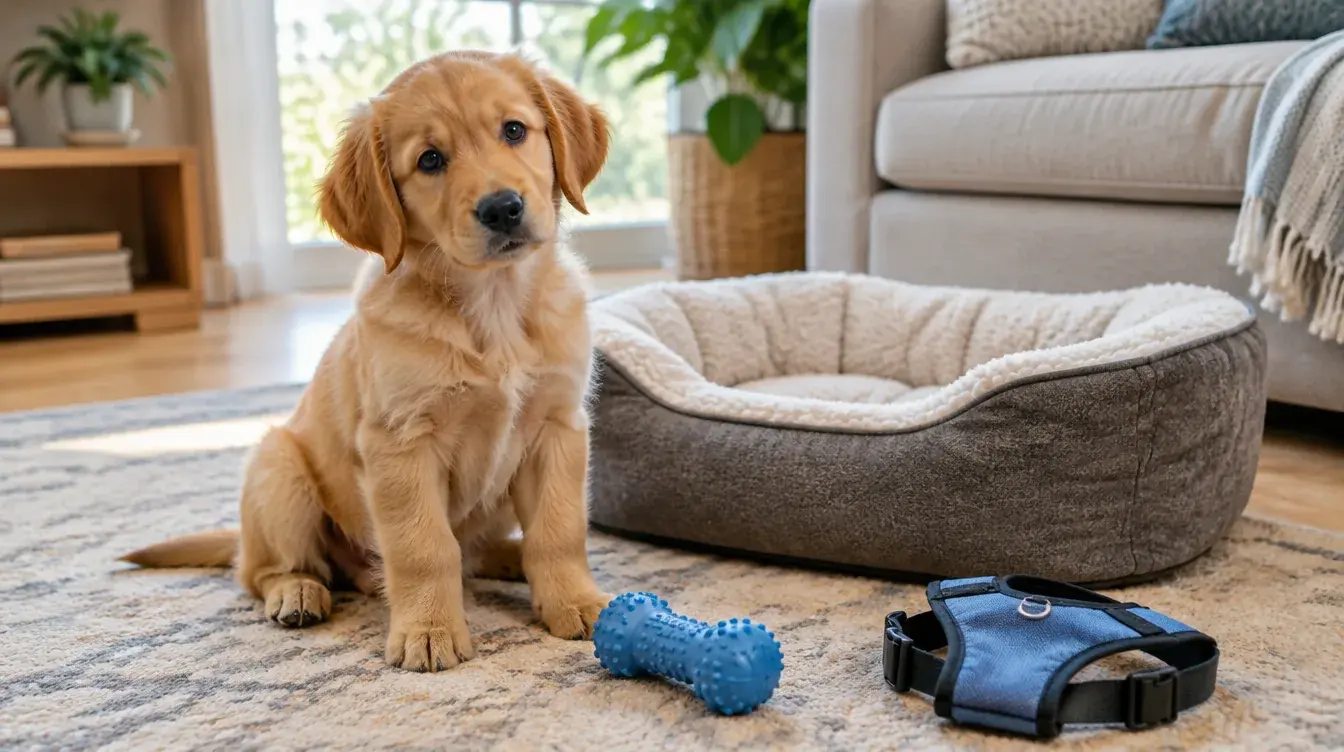
Pet stores will happily sell you forty things for a new puppy. You need about six. Here is the short list, and why each one earns its place.
6 products inside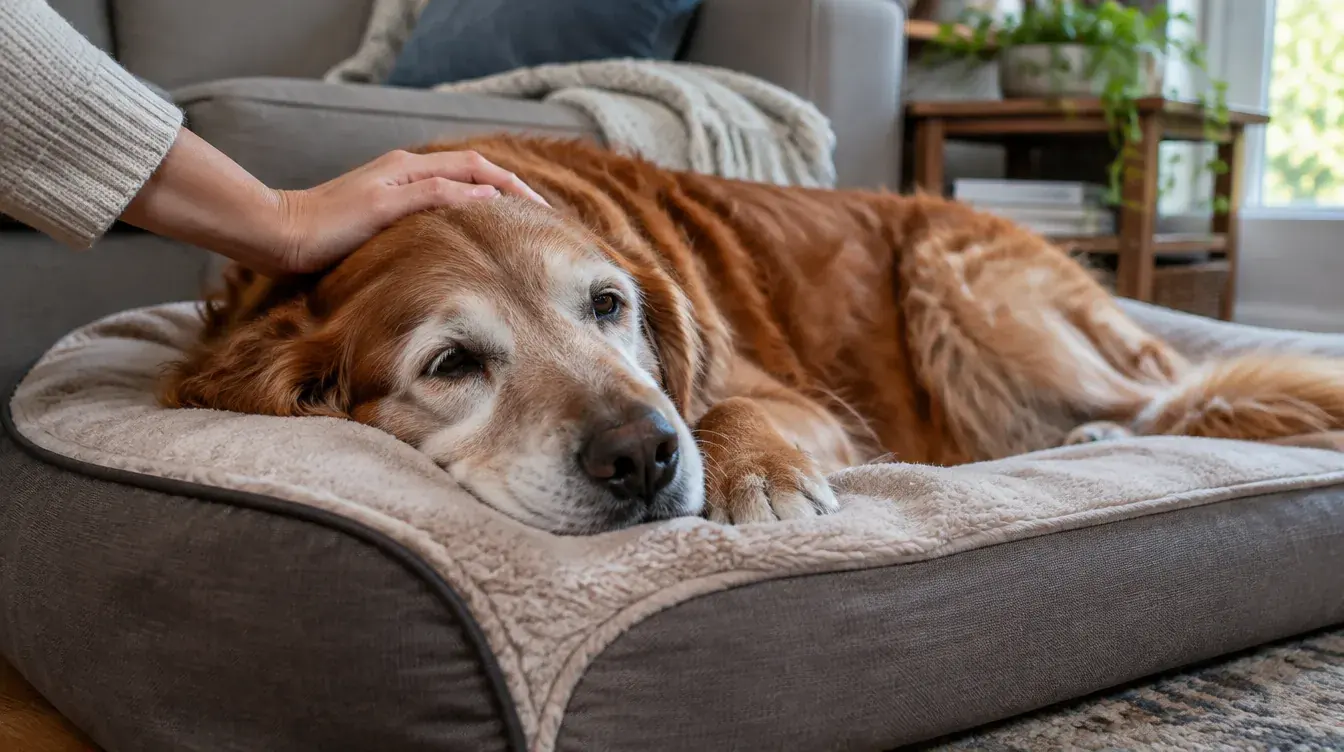
Older dogs slow down, sleep more and feel the cold floor in their joints. You cannot stop the years, but a few changes at home make every day easier for them.
5 products inside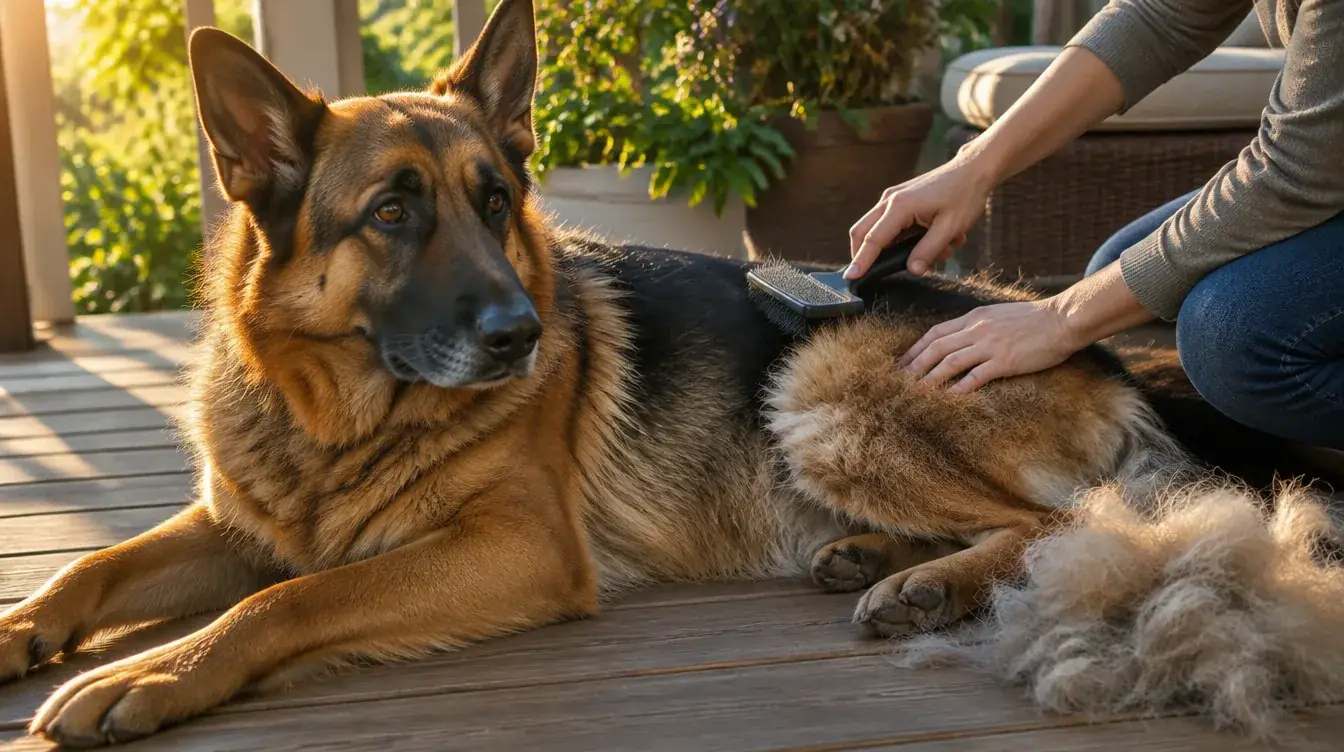
All dogs shed, some much more than others. A few minutes of brushing several times a week moves most of that hair from your floor to the bin.
3 products inside