
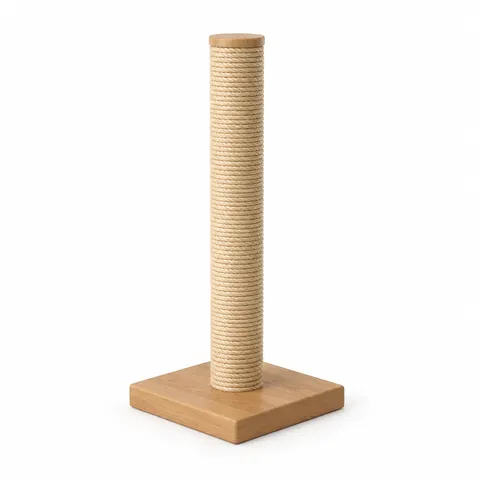
 SmartCat (Pioneer Pet)
Scratching posts and cat trees
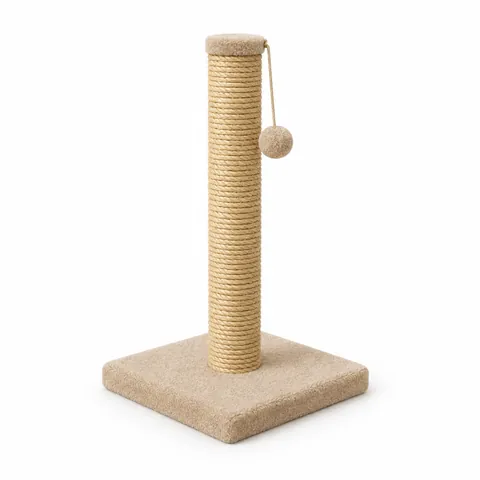
SmartCat Ultimate 32-in Sisal Cat Scratching Post
Vertical scratchers and large adult cats
You cannot stop a cat scratching, and you should not try. You can make the post more appealing than the sofa. Here is how.
 By the PetBea teamUpdated October 31, 2026
We may earn a commission when you buy through the store buttons on this page, at no extra cost to you. It never decides what we recommend. How that works
Skip the reading: these are the picks, with a direct store link.
SmartCat (Pioneer Pet)Vertical scratchers and large adult cats
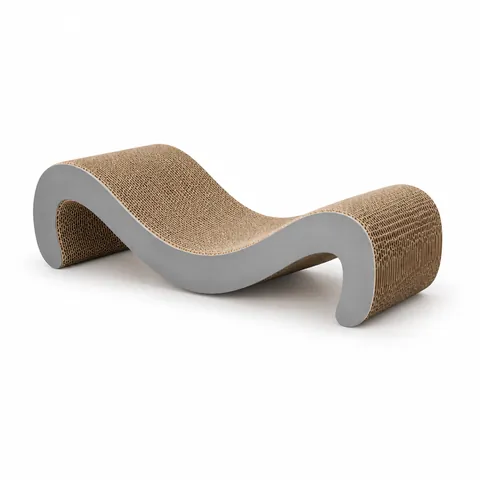 PetFusion
Cats that scratch floors and rugs
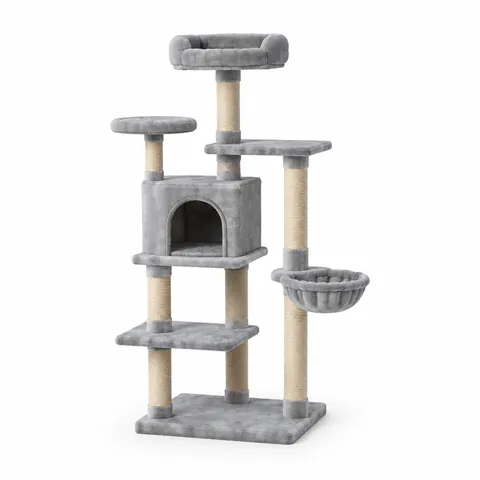 Frisco
Multi-cat homes wanting height affordably
 Amazon Basics
Kittens, small cats and tight budgets
 Yeowww!
Catnip lovers that grab and bunny-kick
Scratching is not bad behavior. VCA Animal Hospitals describes it as normal cat behavior with real jobs: it marks territory with both visible scratches and scent from glands in the paws, it removes the old outer layer of the claws, and it is a full body stretch. Cats also scratch more when they feel anxious, because marking territory makes them feel secure.
So the goal is not to stop scratching. It is to move it somewhere you do not mind. Here is the approach vets and feline associations recommend.
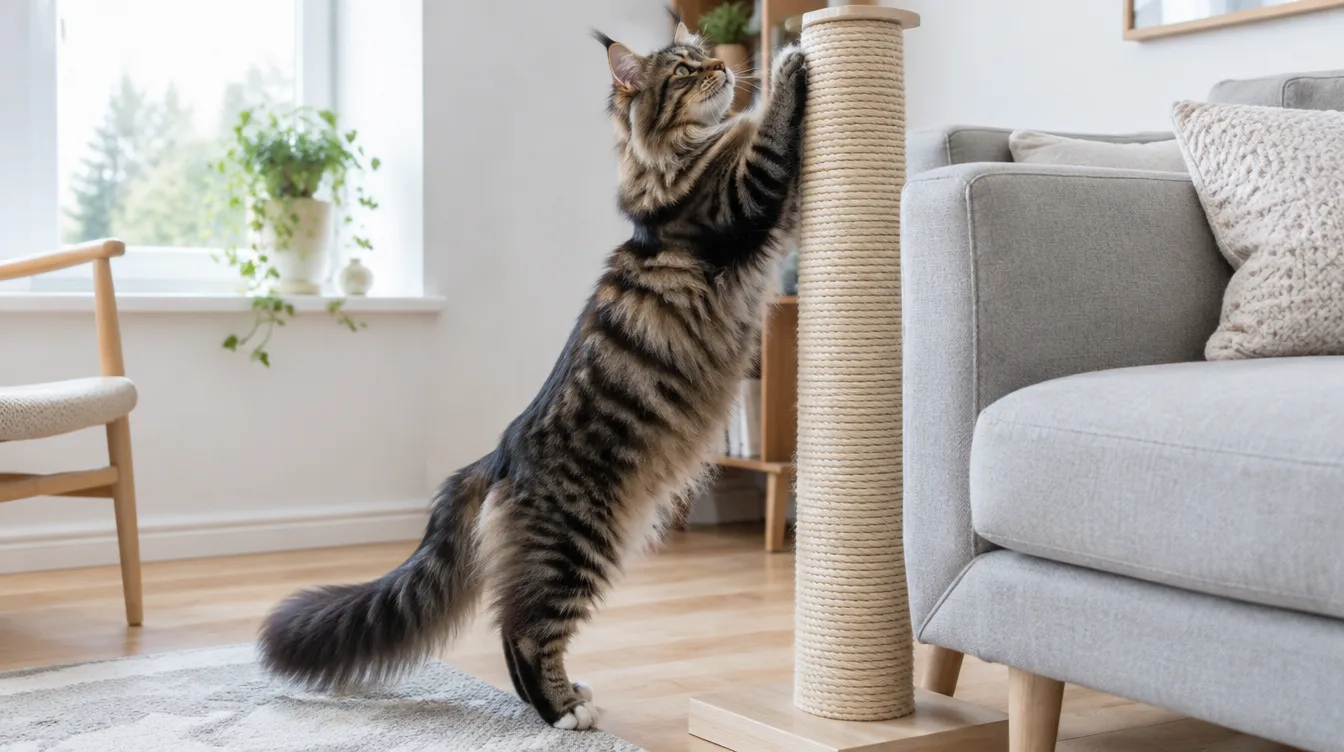
This is where most people go wrong. The short, carpeted posts sold everywhere are often too small for a full stretch and tip over the first time the cat leans in. A cat that gets wobbled once rarely comes back. The American Association of Feline Practitioners advises a sturdy post taller than your cat's body length, stable enough that it does not move or fall over.
SmartCat (Pioneer Pet)Opens the store in a new tab
Look at what your cat attacks now. Arm of the sofa or a door frame means they like vertical scratching. The rug or carpet on the stairs means horizontal. Offer that angle first. Many cats like both, so a horizontal cardboard scratcher next to a vertical post covers everyone.
PetFusionOpens the store in a new tab
Sisal rope or woven sisal, cardboard, wood and rough fabric are the common favorites. Avoid posts covered in the same soft carpet as your floor, which can teach a cat that carpet is fair game. If your cat ignores one texture, try another before giving up.
Location matters more than the post itself. Place it right in front of the furniture your cat already scratches. Add another near where your cat sleeps, because cats like to stretch and scratch when they wake up. Once the cat uses the new post reliably, you can move it gradually, a few inches a day, to where you want it. Keep it in a room the family uses, not an empty corner.
While the cat learns, cover the targeted spot temporarily. Double sided tape, a fitted throw or a sheet of plastic works, because most cats dislike sticky or slippery surfaces under their paws. Remove the cover once the habit has moved to the post.
When your cat uses the post, praise them or toss a treat. Rubbing a little catnip on it or dragging a wand toy across it gets curious cats to investigate. Never shout or spray water. Punishment makes cats anxious, and anxious cats scratch more, often when you are not looking.
Yeowww!Opens the store in a new tab
Regular trims reduce the damage when accidents happen. Indoor cats, kittens and older cats usually need more frequent trims than outdoor cats. Ask your vet to show you how the first time. Soft nail caps glued over the claws are another option, and need replacing every four to six weeks.
Declawing is the amputation of the last bone of each toe. The American Association of Feline Practitioners strongly opposes it as an elective procedure, and it is banned in several countries and US cities and states. The steps above solve the problem for the vast majority of cats.
If you have more than one cat, or a young cat with a lot of energy, a tall cat tree gives them scratching, climbing and a lookout spot in one piece. Anchor tall trees to the wall so they do not sway.
FriscoOpens the store in a new tab
On a tight budget, a simple sisal post near the problem spot still beats doing nothing.
Amazon BasicsOpens the store in a new tab
For the full comparison, see our guide to scratching posts and cat trees.
Usually the post is too short, too wobbly, in the wrong place, or the wrong angle. Put a tall, heavy post directly in front of the scratched furniture and offer a horizontal option too.
Sisal, cardboard, wood and rough fabric are the most common favorites. Every cat is different, so trying two textures is often worth it.
Punishment tends to make cats anxious, and anxious cats scratch more. Making the furniture unappealing and rewarding the post works better.
The American Association of Feline Practitioners strongly opposes declawing as an elective procedure. Posts, placement, nail trims and nail caps solve the problem for most cats.
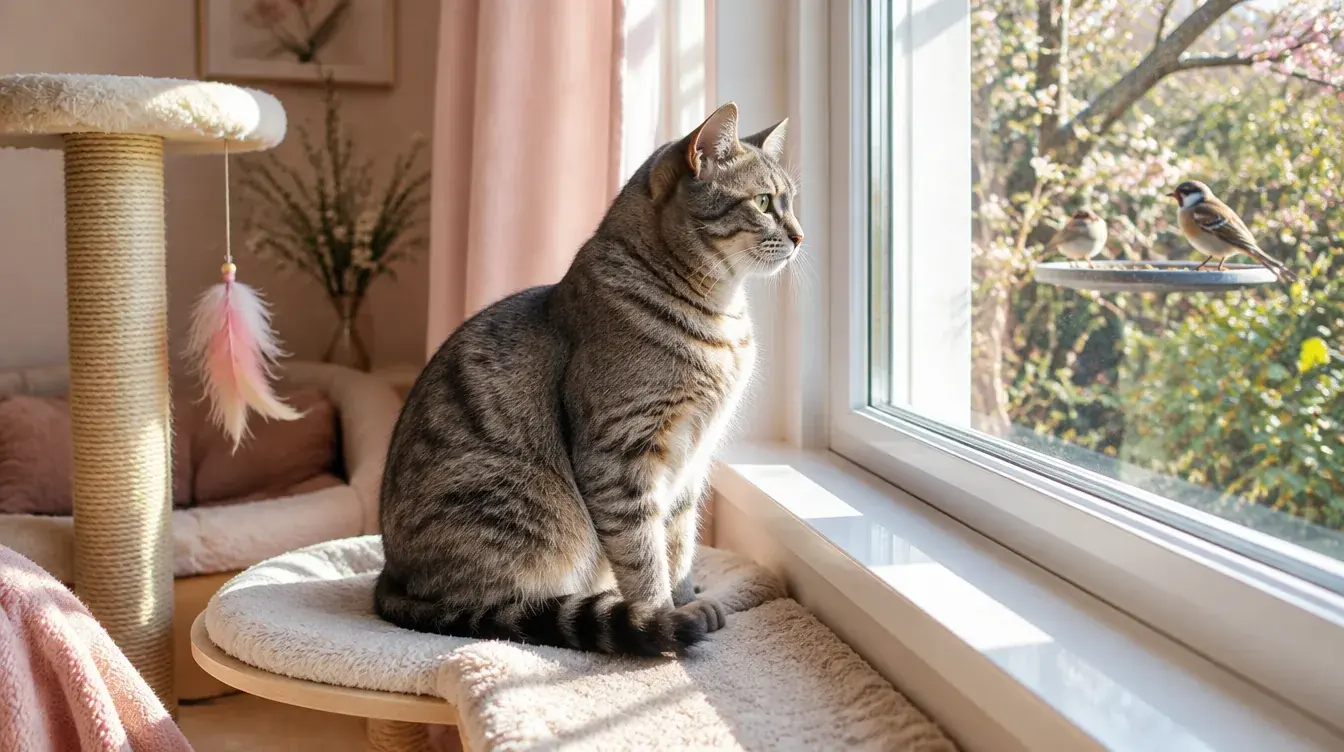
Indoor cats live longer and safer lives, but they also get bored. Most problems owners write to us about, from shredded sofas to 4 a.m. zoomies, come back to the same thing: not enough to do.
5 products inside
Most pet gifts are under the sofa by New Year. These twelve stay in rotation, and every one comes from our dog and cat guides.
12 products inside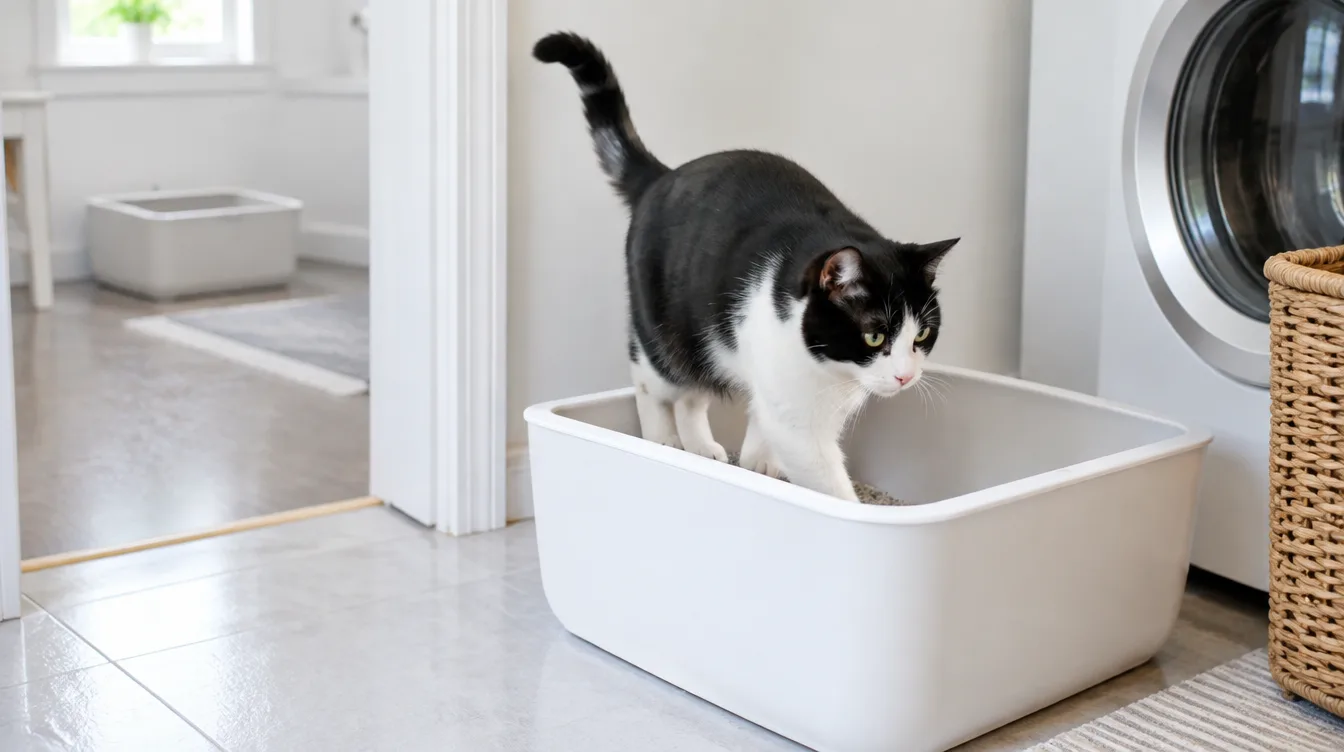
One box per cat, plus one extra. It sounds like a lot until you see what it fixes. Here is the rule, the setup, and the boxes we recommend.
4 products inside