
SmartCat (Pioneer Pet)
Read the SmartCat The Ultimate 32-in Sisal Cat Scratching Post review
Scratching posts and cat trees
SmartCat The Ultimate 32-in Sisal Cat Scratching Post
Vertical scratchers and large adult cats
Indoor cats live longer and safer lives, but they also get bored. Most problems owners write to us about, from shredded sofas to 4 a.m. zoomies, come back to the same thing: not enough to do.
 By the PetBea teamUpdated October 31, 2026
We may earn a commission when you buy through the store buttons on this page, at no extra cost to you. It never decides what we recommend. How that works
Skip the reading: these are the picks, with a direct store link.
Vertical scratchers and large adult cats
Daily interactive play sessions
Fast eaters and bored indoor cats
Single-cat homes on a budget
Adult cats that kick litter or spray high
A cat that lives indoors still has the instincts of a hunter: stalk, chase, catch, eat, groom, sleep. When the first four have no outlet, the energy goes somewhere, usually into the furniture or into you at night. You do not need to rebuild your home. A few small changes cover most of what a cat is missing.
Scratching is not bad behavior. Cats scratch to stretch their whole body, to mark their spot and to keep their claws in shape. The sofa wins because it is tall, heavy and does not move. Most cheap scratching posts are short and wobbly, so the cat tries once and goes back to the sofa.
Look for a post taller than your cat stretched out, with a heavy base, and put it right next to the furniture they are scratching now. Our guide to scratching posts and cat trees has more options, including trees for multi-cat homes.
Balls and mice that sit still get ignored. What cats really want to chase is something that moves like a bird or a mouse: darting, hiding, fluttering. A wand toy lets you do that. Two short sessions a day, ending with a catch and a small treat, mimic a real hunt and leave most cats calm and sleepy afterwards. Evening play before bed is the simplest fix for night zoomies.
Opens the store in a new tab
Put wand toys away when you are done. Strings and feathers can be swallowed if a cat plays with them alone.
A wild cat spends hours finding food. A house cat finds it in a bowl in seconds, then looks for something else to do. Puzzle feeders slow eating and add a little hunt to each meal. Start with an easy setting so your cat succeeds, then make it harder. See our cat toys and enrichment guide for more.
Many cats drink more from moving water, and indoor cats on dry food often do not drink enough. A small fountain is an easy experiment. Clean it every week or two, because slime builds up in the pump.
Accidents outside the box are one of the main reasons cats lose their homes, and the cause is often the box itself: too small, too dirty or in a busy spot. Most cats prefer a large, open box in a quiet place, scooped every day. With more than one cat, the usual advice is one box per cat plus one. If a cat that used the box suddenly stops, see your vet, since it can be a sign of a health problem.
Opens the store in a new tab
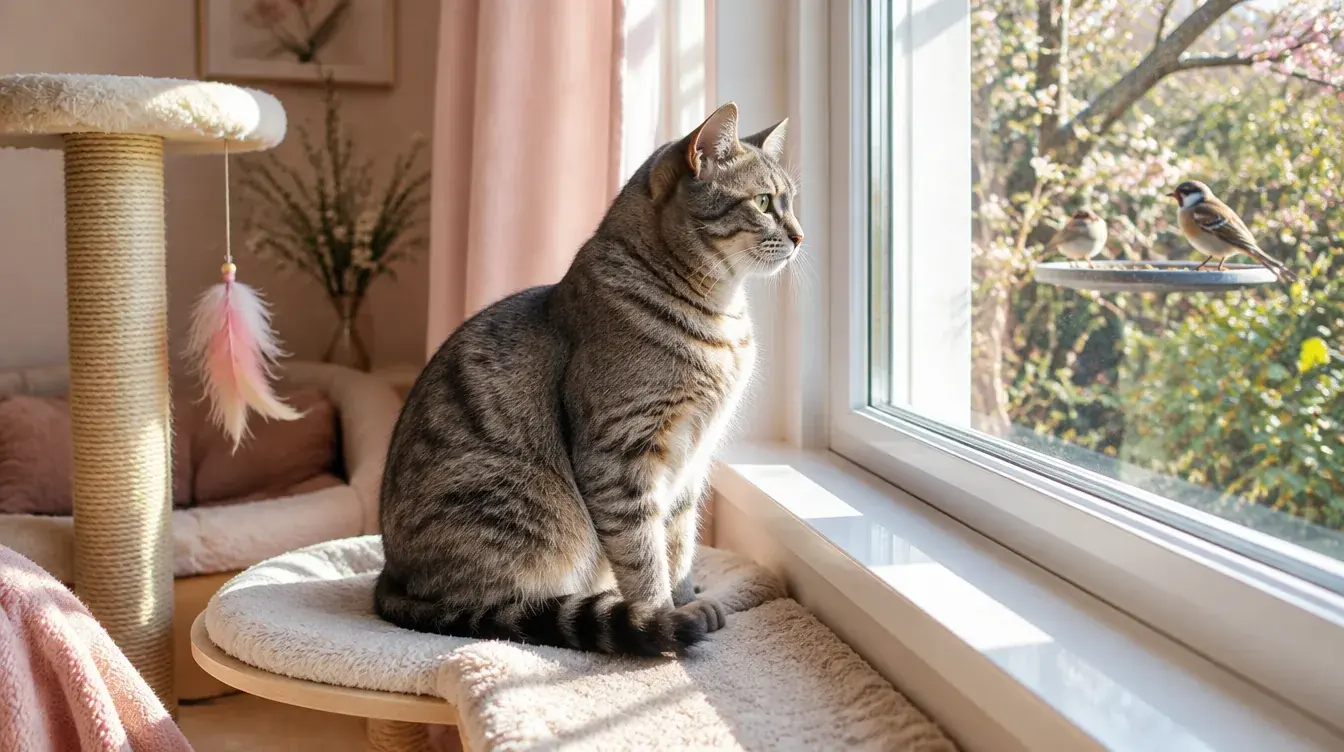
One free upgrade: give your cat a spot by a window. Watching birds and people is real entertainment for a cat, and a perch or a cleared windowsill costs nothing.
Put a tall, heavy scratching post right next to the sofa and reward your cat when it uses it. Covering the spot on the sofa for a few weeks helps the new habit stick.
Most cats do well with two short sessions of active play a day, about 10 to 15 minutes each. Kittens and young cats often want more.
Many do, because they prefer moving water. It is not true for every cat, so watch your own cat's habits and ask your vet if you are worried about hydration.

Most pet gifts are under the sofa by New Year. These twelve stay in rotation, and every one comes from our dog and cat guides.
12 products inside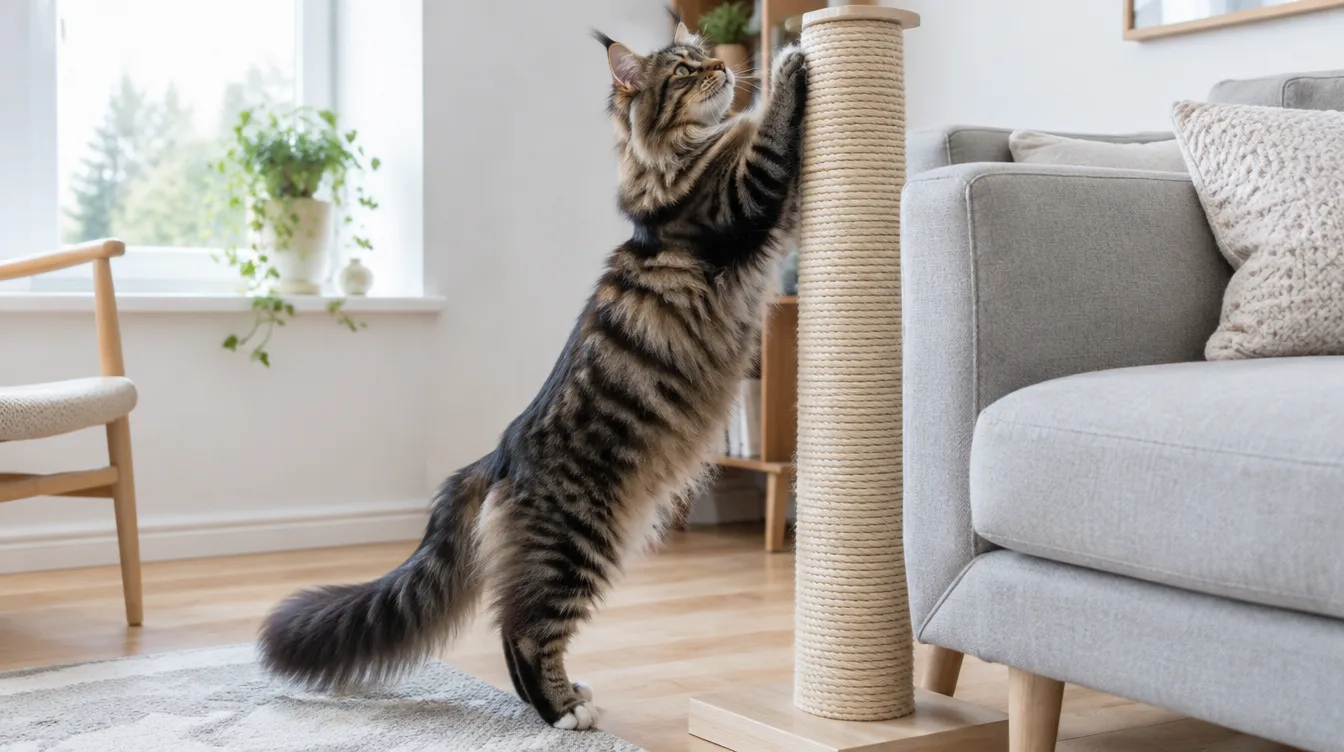
You cannot stop a cat scratching, and you should not try. You can make the post more appealing than the sofa. Here is how.
5 products inside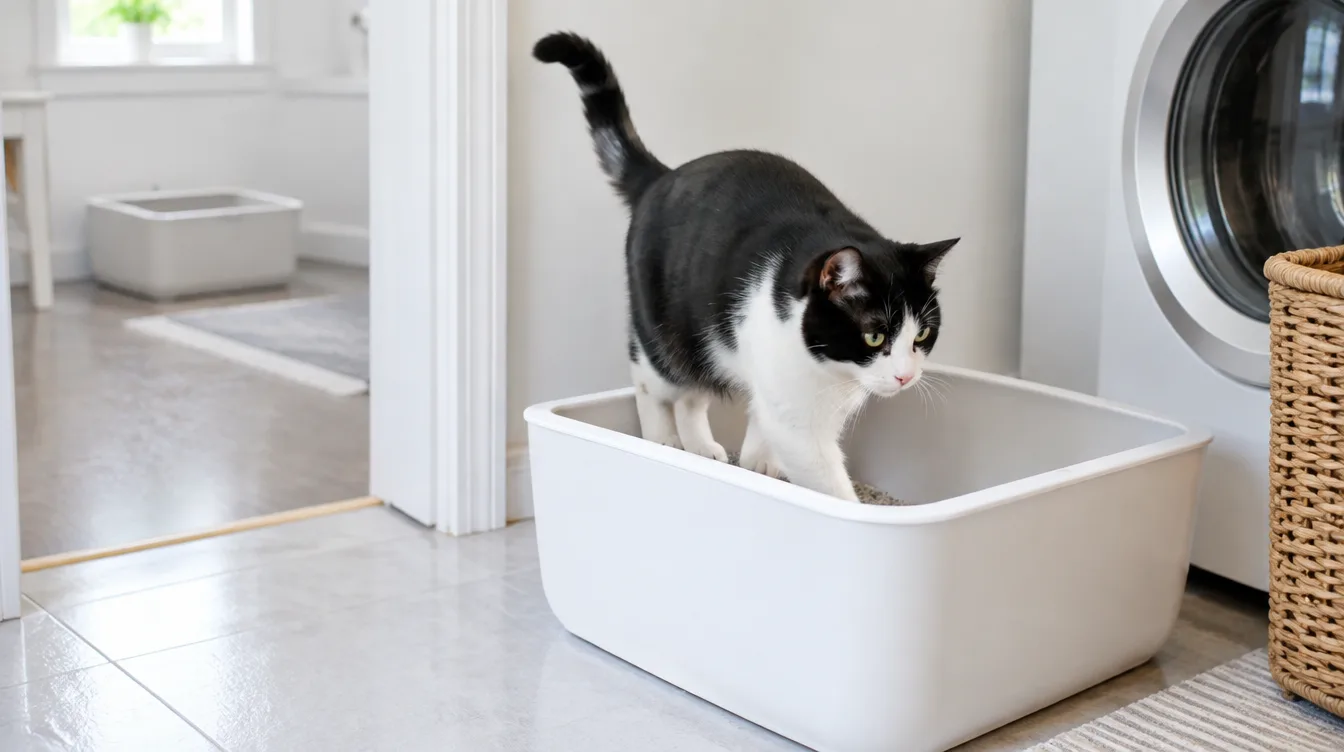
One box per cat, plus one extra. It sounds like a lot until you see what it fixes. Here is the rule, the setup, and the boxes we recommend.
4 products inside