
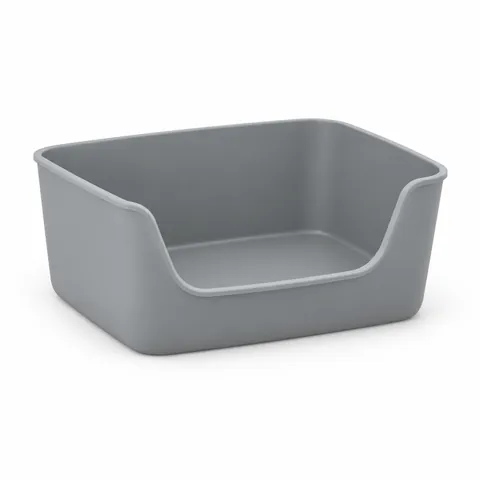
 Frisco
Cat litter boxes
Frisco High Sided Cat Litter Box, Extra Large, 24-in
Adult cats that kick litter or spray high
One box per cat, plus one extra. It sounds like a lot until you see what it fixes. Here is the rule, the setup, and the boxes we recommend.
 By the PetBea teamUpdated October 31, 2026
We may earn a commission when you buy through the store buttons on this page, at no extra cost to you. It never decides what we recommend. How that works
Skip the reading: these are the picks, with a direct store link.
FriscoAdult cats that kick litter or spray high
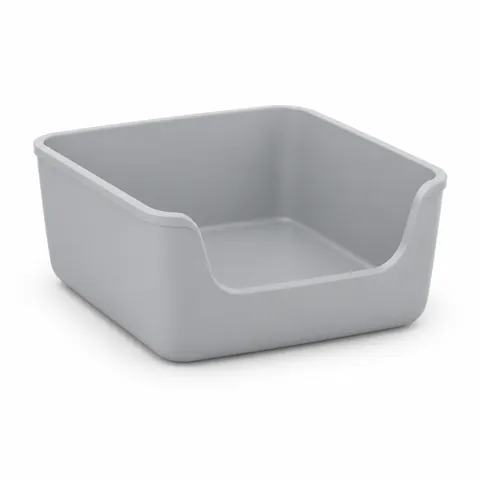 Amazon Basics
First box or a spare on a budget
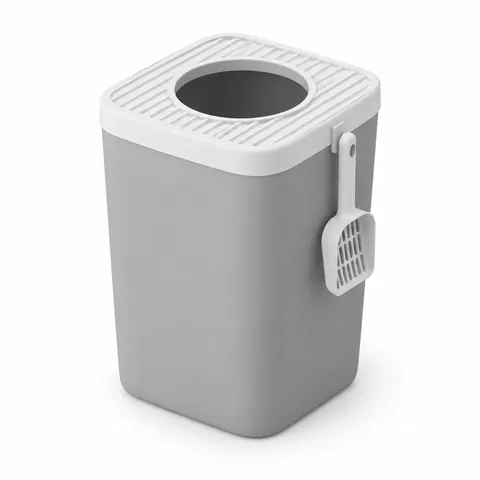 IRIS USA
Litter kickers and homes with curious dogs
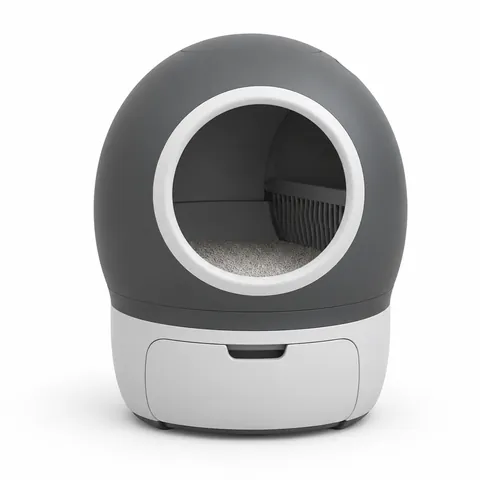 Whisker (Litter-Robot)
Busy owners willing to pay premium
The short answer: one litter box for every cat, plus one more. One cat gets two boxes. Two cats get three. Three cats get four. Vets and shelters call it the n+1 rule, and it is the single most common piece of advice for cats that start going outside the box.
| Cats | Litter boxes |
|---|---|
| 1 | 2 |
| 2 | 3 |
| 3 | 4 |
| 4 | 5 |
Cats are fussy about toilets for good reasons. Some will not use a box another cat has just used. Some will not pee and poop in the same box. In a multi-cat home, one confident cat can sit near the only box and quietly stop the others from using it. An extra box in a different spot removes all of those problems at once.
Even single cats benefit. If one box is dirty, or the route to it is blocked by a closed door, there is always a backup.
The number only works if the boxes are in the right places. Purina's behavior guidance and most shelter setups agree on the basics:
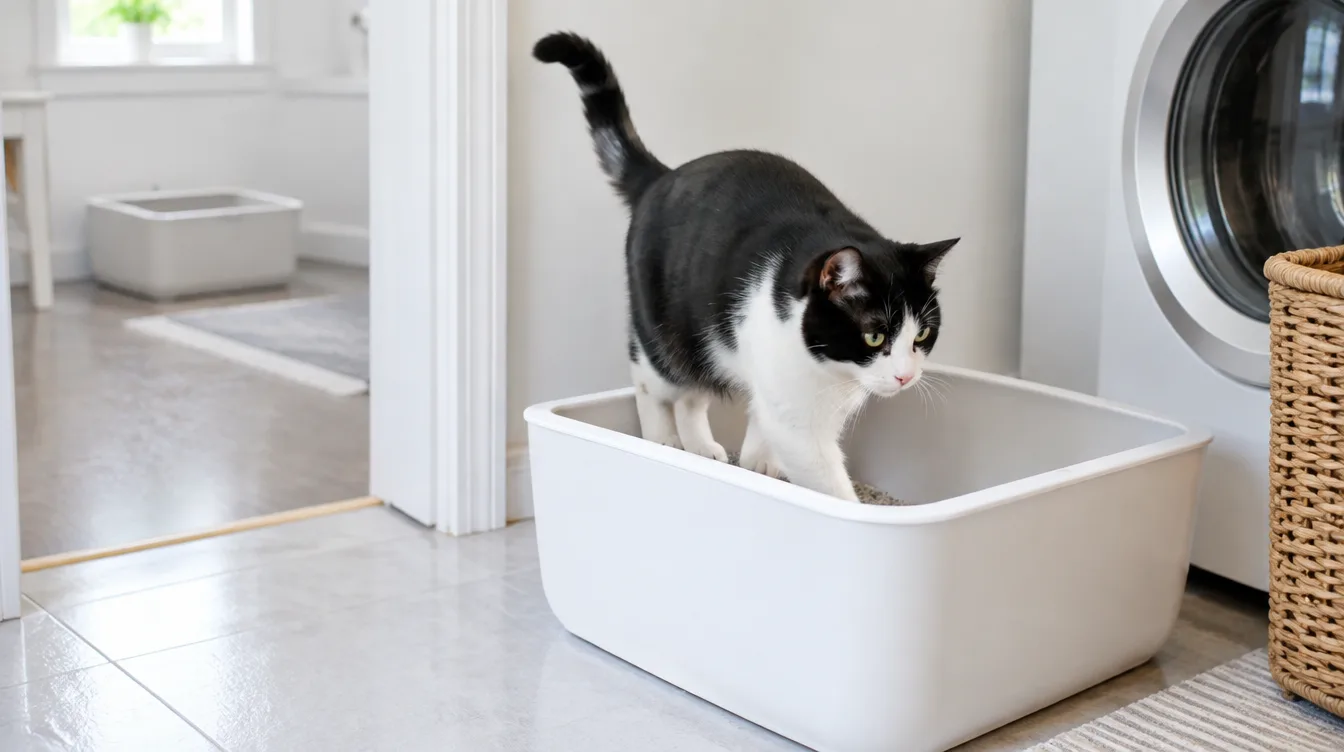
Bigger than most of the boxes sold as standard. Shelter guidance says a box should be at least one and a half times the length of your cat, nose to the base of the tail. If your cat has to crouch with its back end hanging over the edge, the box is too small. Extra large open pans and even plastic storage tubs with a cut entry are popular with cat behaviorists for this reason.
FriscoOpens the store in a new tab
High sides help with cats that kick litter or pee standing up. For a second box on a budget, a large open pan does the job.
Amazon BasicsOpens the store in a new tab
Many cats prefer an open box. Covers trap smell inside, which is nicer for us and worse for a cat's nose. If you want less litter on the floor, a top entry box is a good compromise for young, agile cats. It is a poor choice for kittens, seniors or cats with stiff joints.
IRIS USAOpens the store in a new tab
Whatever you choose, keep about two inches of unscented litter in the box and scoop at least once a day. A full wash with warm soapy water every week or two keeps smells down.
It counts as one box. A self-cleaning box keeps that one box clean all day, which some cats love, but it does not replace the extra box in another room. Give your cat time to get used to it, with a regular box still available.
Whisker (Litter-Robot)Opens the store in a new tab
A cat that suddenly pees outside the box, strains, or visits the box often with little result needs a vet, not a new litter box. Urinary problems can become an emergency, especially in male cats. Rule out health first, then look at the setup. For a full comparison of boxes, see our cat litter boxes guide.
Three, following the n+1 rule: one per cat plus one extra, placed in different rooms rather than side by side.
Some do, but it is not recommended. Sharing makes it more likely that one cat avoids the box or that one cat guards it from the other.
At least one and a half times the length of your cat from nose to the base of the tail. Most standard boxes are smaller than that, so extra large pans are often the better buy.
At least once a day, with a full wash and litter change every week or two. Dirty boxes are one of the most common reasons cats go elsewhere.
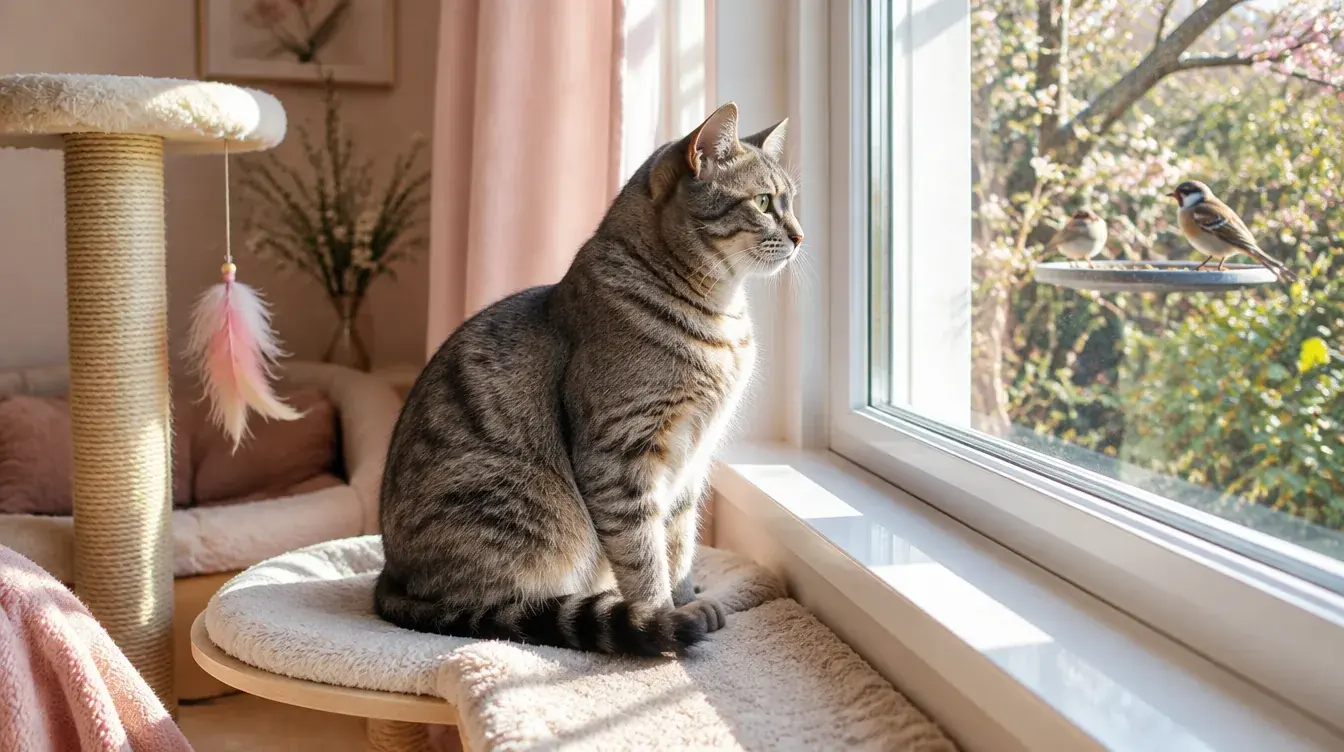
Indoor cats live longer and safer lives, but they also get bored. Most problems owners write to us about, from shredded sofas to 4 a.m. zoomies, come back to the same thing: not enough to do.
5 products inside
Cats evolved to get most of their water from prey, so many barely drink. Here is how much they need, how to tell if yours is short, and what actually helps.
4 products inside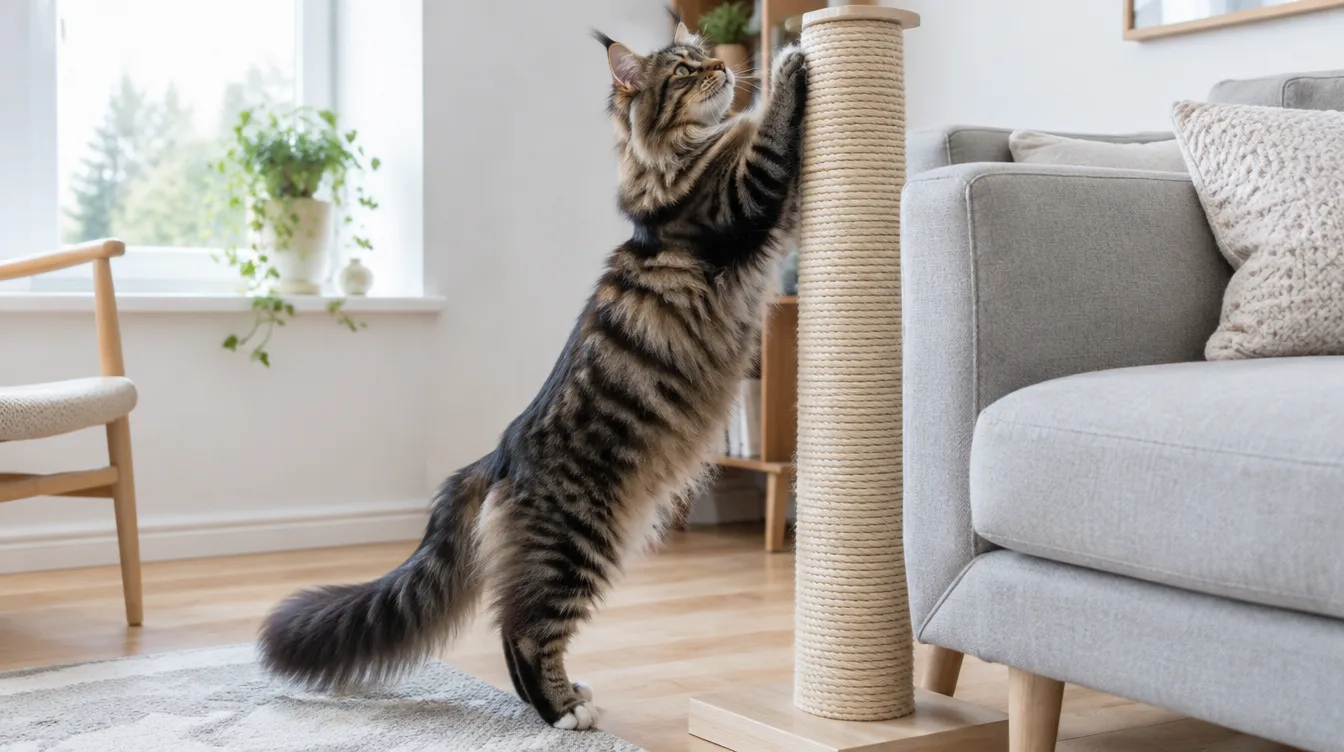
You cannot stop a cat scratching, and you should not try. You can make the post more appealing than the sofa. Here is how.
5 products inside