
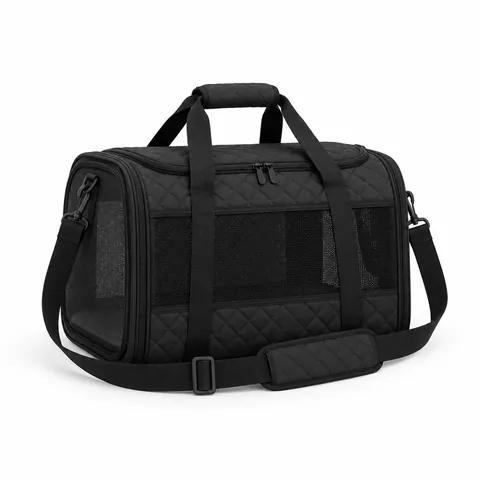
 Sherpa
Carriers and playpens
Sherpa Original Deluxe Pet Carrier
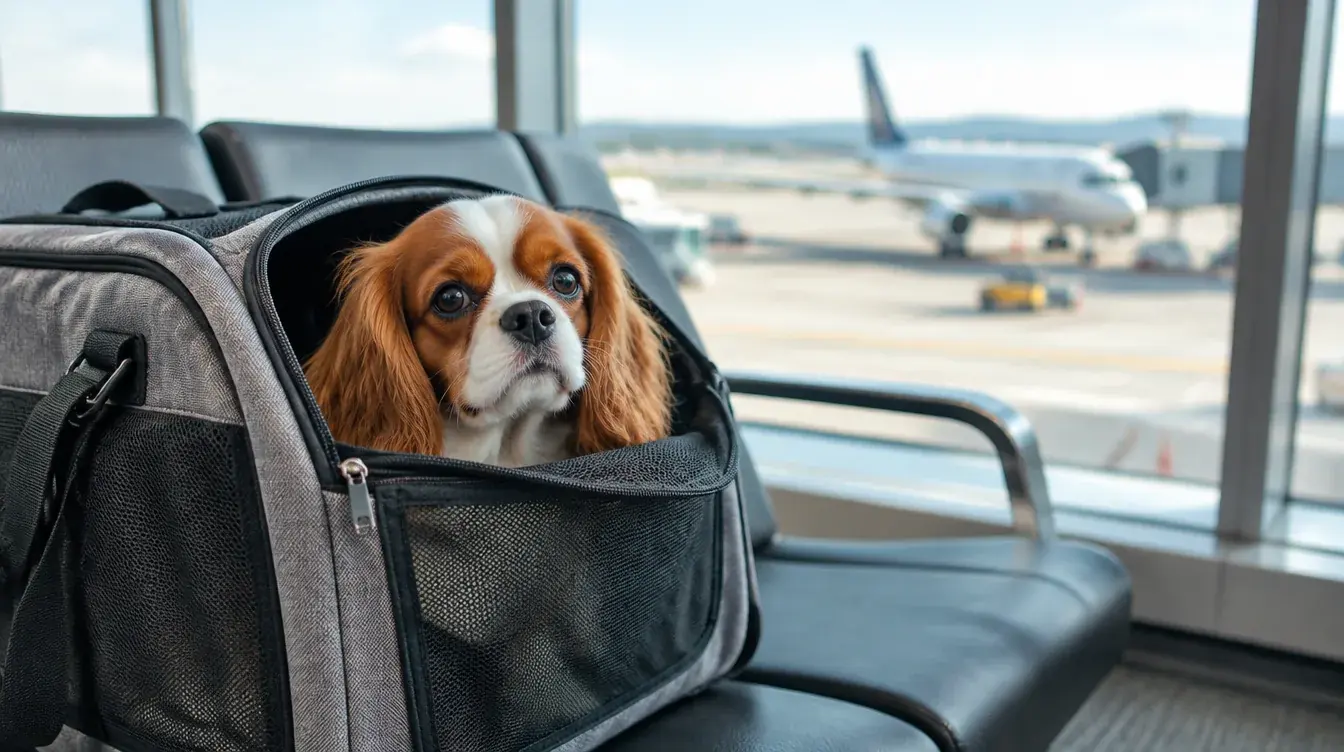
Cabin flights with cats or small dogs
Small dogs and cats can fly with you in the cabin if they fit in a carrier under the seat. Here is what airlines ask for and how to make the day easier.
 By the PetBea teamUpdated October 31, 2026
We may earn a commission when you buy through the store buttons on this page, at no extra cost to you. It never decides what we recommend. How that works
Skip the reading: these are the picks, with a direct store link.
SherpaCabin flights with cats or small dogs
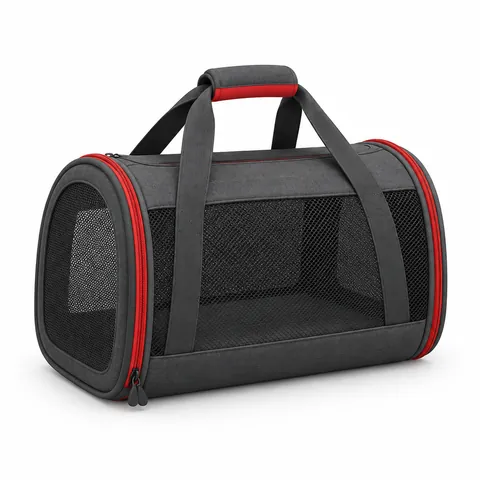 Sleepypod
Frequent flyers wanting a sturdier soft carrier
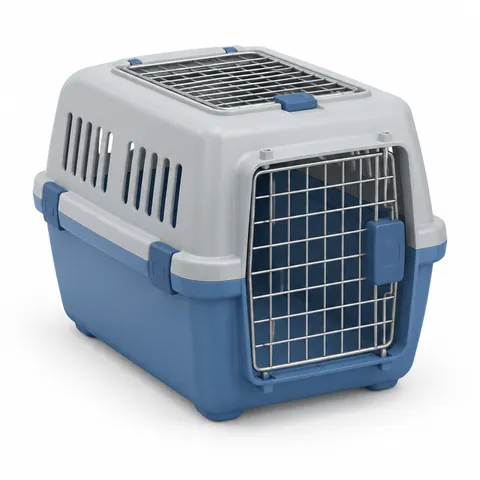 Petmate
Vet visits and cats that resist carriers
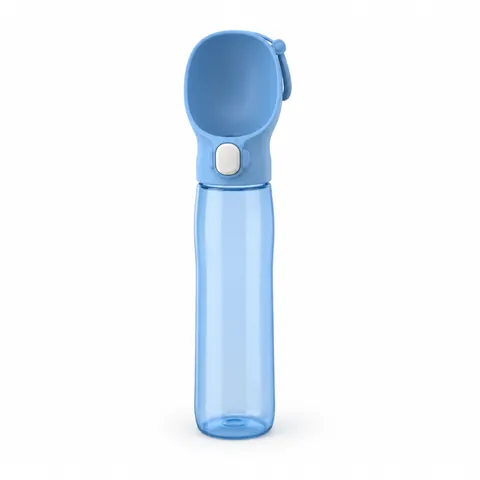 MalsiPree
Small to medium dogs on everyday walks
Most US airlines let a small dog or cat travel in the cabin with you, inside a carrier that fits under the seat in front. It is usually the calmest way for a small pet to fly. The catch is that every airline sets its own size limit, fee and number of pets per flight, and those change. Use this page to prepare, then confirm the details on your airline's pet policy page before you book.
These are the figures listed in Chewy's airline pet policy guide, last updated in October 2025. Treat them as a starting point and check the airline before you fly, because policies change.
| Airline | In-cabin carrier limit |
|---|---|
| American | Soft 18 x 11 x 11 in, hard 19 x 13 x 9 in |
| Delta | Recommended max 18 x 11 x 11 in |
| United | Soft 18 x 11 x 11 in, hard 17.5 x 12 x 9 in |
| Southwest | 18.5 x 13.5 x 9.5 in |
| Alaska | Soft 17 x 11 x 9.5 in |
| JetBlue | 17 x 12.5 x 8.5 in |
Notice the height: often around 9 inches. That is why soft carriers are so popular. A soft carrier can squash slightly to fit under the seat, while a hard one cannot.
Your pet should be able to stand up and turn around inside. Measure your pet standing, from nose to base of tail and from floor to the top of the head, then compare with the carrier's inside dimensions, not just the outside. Mesh panels for airflow, a zip that cannot be nosed open, and a shoulder strap all make the airport easier.
SherpaOpens the store in a new tab
If you fly often, a premium carrier with a firmer structure and better materials is worth the higher price.
SleepypodA hard plastic kennel is too bulky for most cabins, but it is the safer choice for car trips and vet visits.
PetmateMalsiPreeOpens the store in a new tab
In the US, your pet does not go through the X-ray machine. You take them out of the carrier and carry them, or walk them on a leash, through the metal detector while the empty carrier is screened. A harness on a cat makes this much safer than holding them loose.
Dogs too big for an under seat carrier fly as checked baggage or cargo, where airlines allow it, and that comes with breed, temperature and crate rules. If that is your situation, talk to your vet and read the airline's cargo policy carefully. For more carrier options, see our guide to carriers and playpens.
It depends on the airline, but many US airlines allow around 18 x 11 x 11 inches for soft carriers. Height is often the tightest limit, so check your airline's current policy before buying.
Typical in-cabin fees on US airlines range from about $35 to $150 per pet, each way, according to Chewy's airline guide. Check the current fee when you book.
No. In-cabin pets must stay inside their carrier under the seat in front of you for the whole flight.
Many airlines and destinations ask for a recent health certificate from your vet, and international trips often need proof of rabies vaccination. Check both the airline and the destination rules.

Most pet gifts are under the sofa by New Year. These twelve stay in rotation, and every one comes from our dog and cat guides.
12 products inside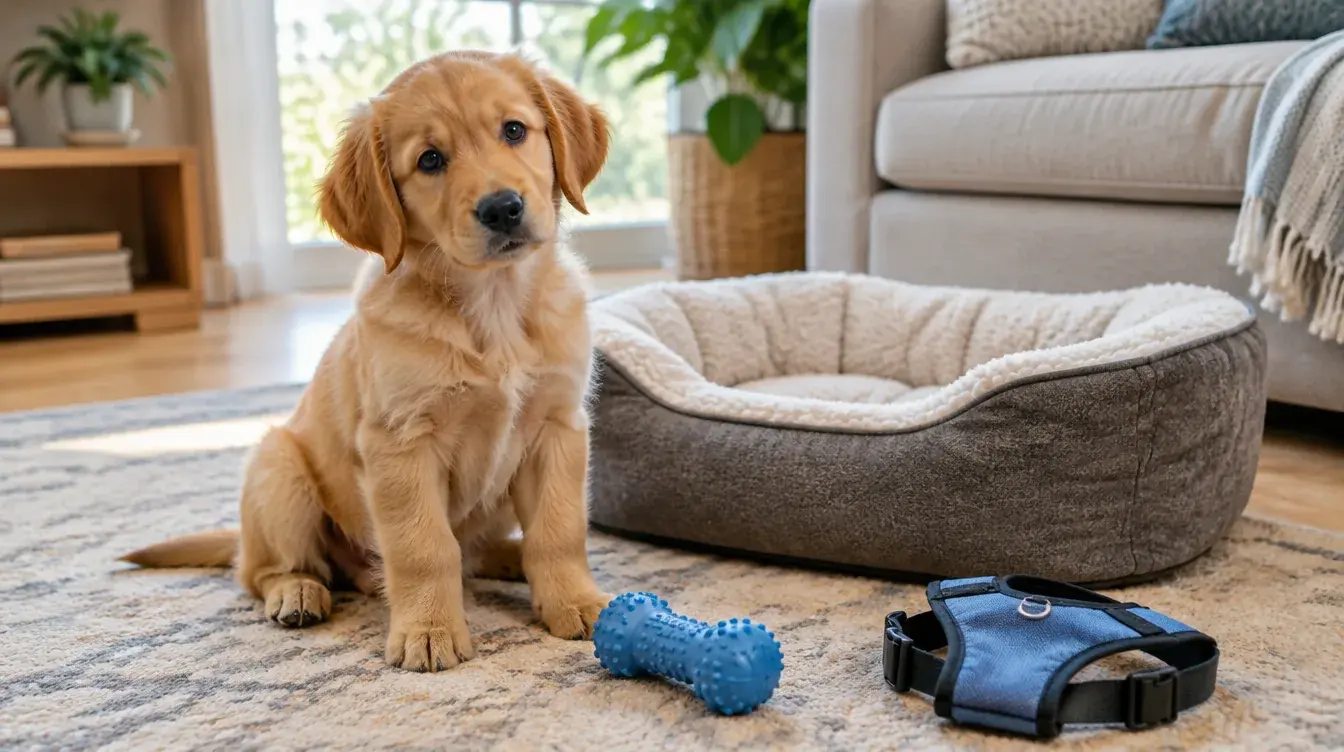
Pet stores will happily sell you forty things for a new puppy. You need about six. Here is the short list, and why each one earns its place.
6 products inside
A tired, happy dog at the end of a trail is the goal. Getting there safely takes three things: enough water, a harness that does not rub, and a little planning.
4 products inside